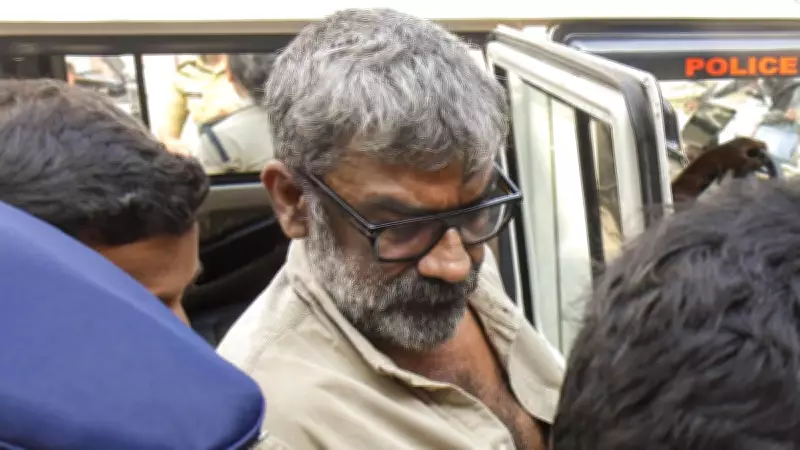
Filmmaker Ranjith's Arrest Puts CPI(M) on Defensive Before Kerala Elections
The arrest of prominent Malayalam filmmaker Ranjith has sent shockwaves through Kerala's political landscape, placing the ruling Communist Party of India (Marxist) in a defensive position as the state gears up for the crucial 2026 Assembly elections. The controversy erupted when Ranjith was taken into custody, with the filmmaker alleging a conspiracy against him in his official bail petition.
Allegations of Conspiracy in Bail Petition
In a dramatic turn of events, Ranjith filed a bail petition where he explicitly stated that the complaint leading to his arrest was the result of a carefully orchestrated conspiracy being hatched against him. This bold claim has intensified the political drama, drawing immediate attention from opposition parties and the media alike. The filmmaker's legal team emphasized that the charges were fabricated, aimed at tarnishing his reputation and creating political turmoil.
Political Repercussions for CPI(M)
The timing of Ranjith's arrest is particularly sensitive, occurring just months before the Kerala Assembly elections scheduled for 2026. Political analysts suggest that this incident could significantly impact the CPI(M)'s electoral prospects, as it raises questions about the party's handling of law and order and its stance on cultural figures. The opposition has seized upon the issue, accusing the ruling party of using state machinery for political vendettas, which could sway voter sentiment in a tightly contested election.

Background and Context
Ranjith, a well-known figure in the Malayalam film industry, has been involved in various social and political activities, often aligning with left-leaning ideologies. His arrest has not only sparked debates within the cultural community but also highlighted the intricate connections between cinema and politics in Kerala. The case underscores the volatile nature of pre-election periods, where even minor incidents can escalate into major political crises.
As the situation unfolds, all eyes are on the judicial proceedings and the CPI(M)'s response. The party faces mounting pressure to address the allegations transparently, lest it lose ground in the upcoming polls. This incident serves as a stark reminder of how legal and political narratives can intertwine, shaping the electoral dynamics in one of India's most politically active states.