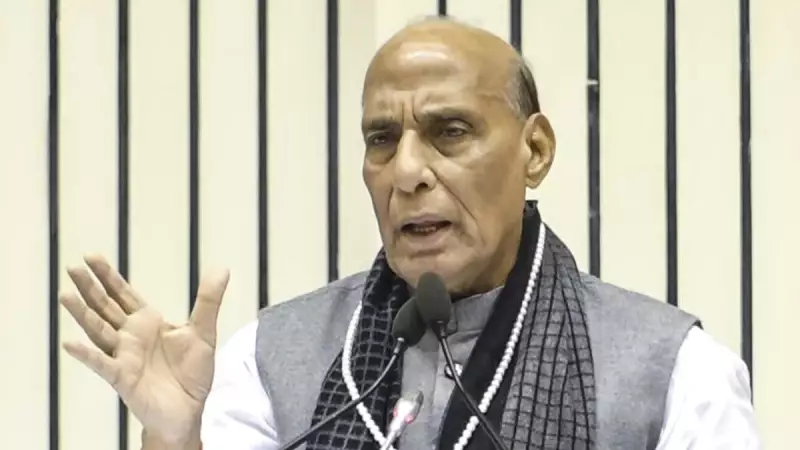
Defence Minister Rajnath Singh has stirred political discourse by recalling veteran BJP leader LK Advani's emotional reflection on the Partition of India, specifically mentioning the potential return of Sindh to India.
Historical Context of the Partition Reference
During a recent address, Singh remembered Advani's poignant statement about the division of the Indian subcontinent in 1947. The Partition resulted in the creation of Pakistan and the separation of the Sindh region, which has remained part of Pakistan since independence.
Advani, who hailed from Sindh before migration, had often expressed personal sorrow about the division. Rajnath Singh highlighted how Advani would emotionally state that 'tomorrow Sindh may return to India', reflecting the enduring sentiment among many affected by Partition.

Political Significance of the Statement
The Defence Minister's recollection comes at a significant time in Indian politics. By invoking Advani's words, Singh emphasizes the lasting impact of the 1947 Partition on generations of Indians and the emotional connection many still feel with regions that became part of Pakistan.
This statement holds particular relevance given the current political climate and ongoing discussions about national identity and historical reconciliation. The reference to Sindh specifically underscores how Partition memories continue to influence contemporary political discourse.
Contemporary Implications and Reactions
Political analysts suggest that such statements serve multiple purposes: acknowledging historical pain while simultaneously reinforcing cultural connections across borders. The Sindh region, located near the river Indus, was home to many who migrated to India during Partition, and their descendants maintain cultural ties to the region.
The timing of this recollection, made on November 23, 2025, adds another layer to ongoing conversations about India's relationship with its neighbors and the enduring legacy of colonial-era decisions that reshaped the subcontinent.
While primarily a historical reflection, the statement inevitably sparks discussions about future possibilities for regional cooperation and cultural exchange between India and Pakistan, particularly concerning regions with shared heritage like Sindh.