Rahul Gandhi Condemns Transgender Amendment Bill as Rights Violation
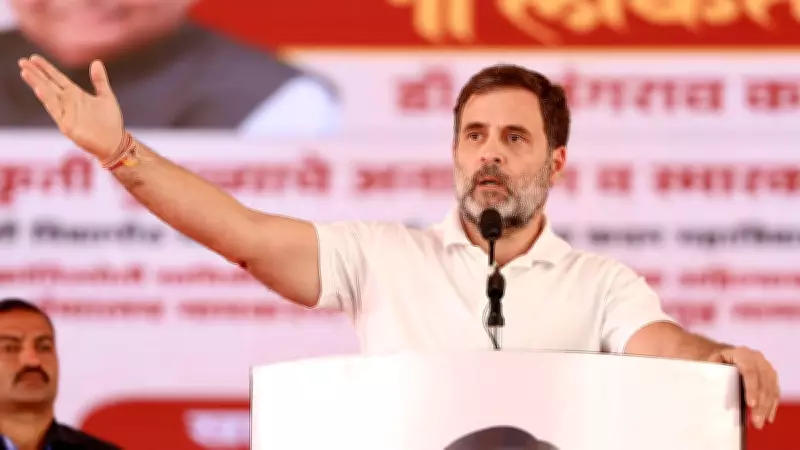
In a dramatic session of the Lok Sabha, Congress leader and Leader of Opposition Rahul Gandhi launched a scathing critique of the proposed transgender amendment bill, labeling it a direct "attack on fundamental rights." His remarks ignited a fiery debate, culminating in a coordinated walkout by multiple opposition parties in protest against the legislation.
Opposition Questions Timing and Intent of Legislation
Joining the chorus of dissent, Nationalist Congress Party (NCP) leader Supriya Sule raised pointed questions about the bill's timing. "I fail to see the urgency behind pushing this transgender amendment bill when the world is grappling with serious conflicts and wars," Sule stated during the parliamentary proceedings. Her comments underscored a broader opposition concern that the government's priorities might be misplaced during a period of international turmoil.
The protest saw members from Congress, NCP, and other allied parties exiting the House en masse, symbolizing their united front against the proposed amendments. This walkout highlights the deepening political rift over social legislation and human rights issues in the current parliamentary term.

Key Points of Contention in the Transgender Bill Debate
The controversy revolves around several critical aspects of the bill that opposition leaders argue could undermine the rights and dignity of transgender individuals. While specific details of the amendments were not fully elaborated in the initial reports, the opposition's reaction suggests significant disagreements over:
- Legal Safeguards: Potential gaps in protection against discrimination.
- Administrative Procedures: Concerns over bureaucratic hurdles in identity recognition.
- Social Inclusion: Fears that the bill might not adequately address broader societal acceptance and support systems.
Rahul Gandhi emphasized that any legislation affecting marginalized communities must be thoroughly vetted to ensure it enhances, rather than restricts, their constitutional rights. The opposition's stance signals a commitment to scrutinize social policies through a lens of inclusivity and protection.
Political Implications and Future Proceedings
This incident marks another flashpoint in the ongoing tensions between the ruling coalition and the opposition in the Lok Sabha. The walkout disrupts legislative business and sets the stage for potentially contentious debates as the bill moves forward. Political analysts note that such protests can influence public opinion and mobilize support around issues of social justice and minority rights.
As the session adjourned amid the protest, questions remain about how the government will address the opposition's concerns. Will there be revisions to the bill, or will it proceed unchanged? The coming days are likely to see intensified discussions, both inside and outside Parliament, as stakeholders from civil society and political groups weigh in on this pivotal issue.
The events of March 24, 2026, underscore the volatile nature of Indian politics, where social legislation often becomes a battleground for broader ideological conflicts. With the opposition firmly positioning itself as a defender of transgender rights, the trajectory of this bill will be closely watched as a test of legislative priorities and political will.