Rahul Gandhi Vows Statehood for Puducherry, Slams Central Government's Remote Control
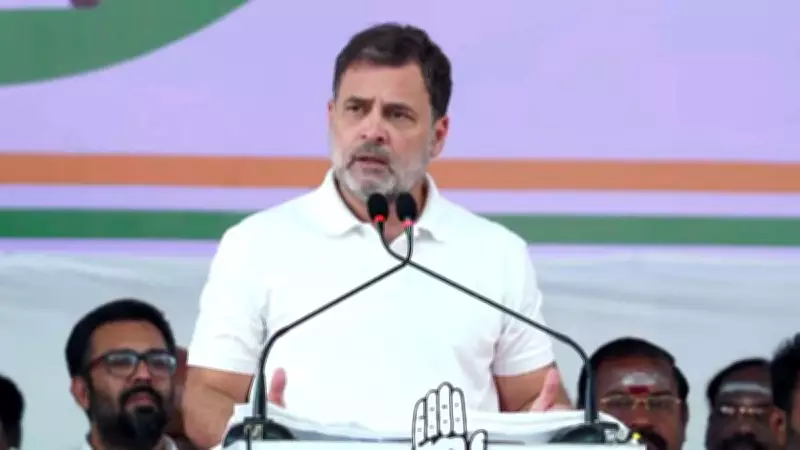
Congress leader Rahul Gandhi has made a significant political promise, pledging to grant full statehood to the Union Territory of Puducherry if his party comes to power. During a recent address, Gandhi criticized the current administration, alleging that Puducherry is being "controlled remotely from Delhi," which he claims undermines local autonomy and governance.
Key Promises and Criticisms
In his speech, Gandhi emphasized that the people of Puducherry deserve the right to self-governance and greater control over their own affairs. He argued that as a Union Territory, Puducherry faces limitations in decision-making and resource allocation, which he attributes to excessive centralization by the Bharatiya Janata Party (BJP)-led government. Gandhi stated that statehood would empower local leaders and institutions, fostering development tailored to the region's unique needs.
Gandhi accused the central government of treating Puducherry as a subordinate entity, rather than respecting its historical and cultural identity. He highlighted issues such as delayed infrastructure projects and inadequate funding, which he linked to the remote control from Delhi. According to Gandhi, this has led to stagnation and frustration among residents, who feel disconnected from the governance process.

Political Context and Reactions
The promise comes amid ongoing political tensions in Puducherry, where the Congress has been striving to regain influence. Gandhi's remarks are seen as part of a broader strategy to appeal to regional sentiments and challenge the BJP's dominance. Political analysts suggest that this move could resonate with voters who prioritize local autonomy and statehood aspirations.
Reactions from other political parties have been mixed. While supporters of the Congress have welcomed the pledge as a step toward justice and empowerment, critics from the BJP and allied groups have dismissed it as an election gimmick. They argue that the current Union Territory status provides necessary oversight and stability, and that statehood could lead to administrative and financial challenges.
Implications for Puducherry and National Politics
If implemented, statehood for Puducherry would mark a major shift in its political landscape, granting it powers similar to those of full-fledged states in India. This includes greater legislative authority, control over local resources, and enhanced representation in national forums. Gandhi's promise also taps into larger debates about federalism and decentralization in India, where several regions have long sought statehood for improved governance.
The issue of remote control from Delhi has been a recurring theme in Indian politics, with many Union Territories and smaller states expressing concerns over central interference. By addressing this, Gandhi aims to position the Congress as a champion of regional rights and democratic values. However, the feasibility of such a promise depends on electoral outcomes and subsequent policy decisions.
In summary, Rahul Gandhi's commitment to statehood for Puducherry highlights ongoing tensions between central and local governance in India. As political campaigns intensify, this pledge is likely to spark further discussions on autonomy, development, and the future of Union Territories in the country.