Rahul Gandhi Engages in Spontaneous Dialogue with Tea Plantation Laborers in Idukki
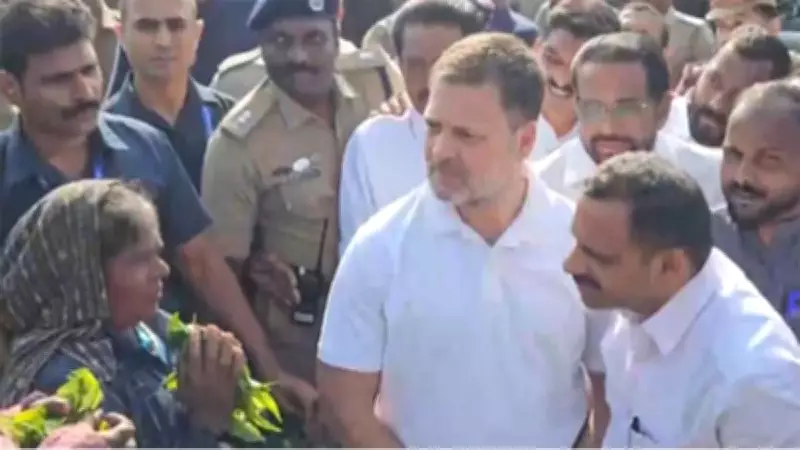
In a notable display of grassroots engagement, Rahul Gandhi, the Leader of Opposition in the Lok Sabha, made an unscheduled stop to converse with tea estate workers during his visit to Kerala's Idukki district. The incident occurred early in the morning as Gandhi was en route to board a helicopter, showcasing his attentiveness to local communities.
Unplanned Interaction Highlights Connection with Workers
While traveling through the scenic region, Gandhi observed a group of women diligently plucking tea leaves at the Glenmary estate. Demonstrating a commitment to direct public interaction, he immediately instructed his convoy to halt. This spontaneous decision allowed him to step out and approach the workers, fostering a brief but meaningful exchange.
The conversation focused on the daily lives and challenges faced by the tea pluckers, with Gandhi listening intently to their concerns. This impromptu meeting underscores his ongoing efforts to connect with ordinary citizens, particularly in rural and agricultural settings where labor issues are prevalent.

Context and Significance of the Visit
Idukki, known for its lush tea plantations, is a key area in Kerala's agricultural economy. The interaction at Glenmary estate not only highlights Gandhi's personal outreach but also brings attention to the broader socio-economic conditions of plantation workers in the region. Such engagements are often seen as strategic moves to bolster political support and understand ground realities.
This event aligns with Gandhi's frequent travels across India to interact with diverse communities, reinforcing his image as a leader accessible to the masses. The timing, early in the morning, adds to the authenticity of the encounter, as it occurred during the workers' regular shifts.
Broader Implications for Political Outreach
The incident serves as a reminder of the importance of unscripted moments in politics, where leaders can directly assess public sentiment. By prioritizing such interactions, Gandhi emphasizes a hands-on approach to governance and opposition, potentially influencing his party's strategies in upcoming electoral contexts.
As reported by PTI, this interaction was documented and shared widely, contributing to public discourse on political accessibility and worker welfare. It reflects a growing trend where political figures use such encounters to build rapport and address local issues firsthand.