Rahul Gandhi Appears in Bhiwandi Court for 2014 Defamation Case Over RSS Remark
Leader of Opposition in the Lok Sabha Rahul Gandhi presented himself before a court in Bhiwandi on Saturday, marking a significant procedural step in a long-standing criminal defamation case. The case originates from remarks he allegedly made during the 2014 Lok Sabha election campaign.
Procedural Appearance Due to Surety Change
Sources indicate that Gandhi's personal appearance was largely procedural, necessitated by the recent demise of his former surety, Shivraj Patil Chakurkar. Chakurkar had stood as guarantee for Gandhi's bail in this case. With his passing last month, fresh surety formalities were required to be completed before the court could proceed.
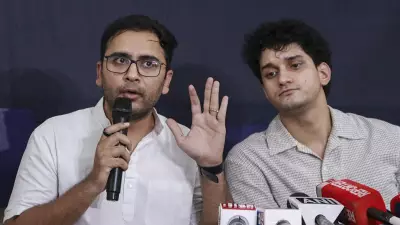
Advocate Narayan Iyer, representing Gandhi, clarified the situation. "Gandhi was required to be present as a new surety has been furnished following the demise of his earlier surety. The hearing was primarily procedural," Iyer told reporters. On Gandhi's behalf, Maharashtra Congress president Harshwardhan Sapkal was presented as the new surety before the court.

Iyer confirmed that after Sapkal's surety was submitted, Gandhi signed the bond, fulfilling the legal requirement. This procedural update ensures the case can continue without interruption.
Background of the Defamation Case
The case dates back to a public rally in Sonale village in Bhiwandi taluka during the 2014 Lok Sabha elections. At this rally, Gandhi allegedly stated that the Rashtriya Swayamsevak Sangh (RSS) was responsible for the assassination of Mahatma Gandhi. This remark sparked controversy and led to legal action.
Following the speech, RSS office-bearer Rajesh Kunte filed a private complaint under Section 500 of the Indian Penal Code, accusing Gandhi of defaming the organisation. The complaint alleged that Gandhi's statements were false and damaging to the RSS's reputation.
Current Status of the Trial
Iyer provided an update on the trial's progress, noting that the matter has reached an advanced stage. "The chief examination and cross-examination of the complainant, Rajesh Kunte, have been concluded. The trial is progressing," he said. This indicates that key testimonial phases are complete, and the court is moving forward with the legal proceedings.
The case has been ongoing for nearly a decade, reflecting the complexities and delays often associated with high-profile defamation suits in India's judicial system.
Security Arrangements for the Court Appearance
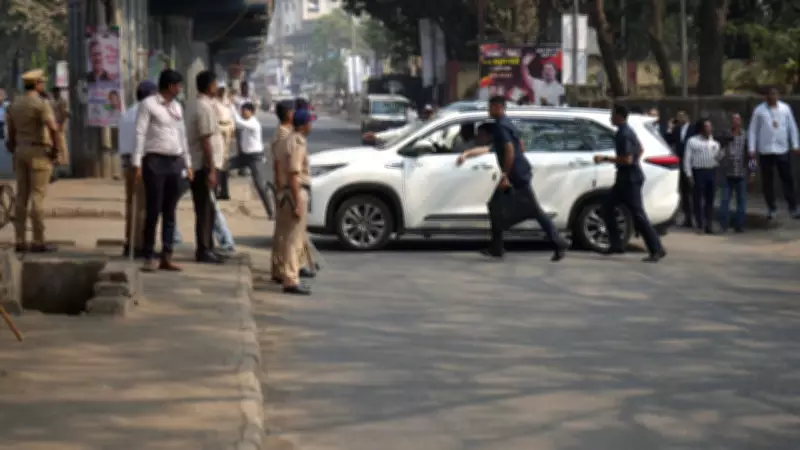
In anticipation of Gandhi's visit, Thane Police deployed additional personnel around the court premises. This measure was taken to manage potential crowds and ensure law and order during the hearing. The presence of extra security highlights the high-profile nature of the case and the attention it attracts.
The police deployment was precautionary, aimed at preventing any disruptions and maintaining a peaceful environment for the court proceedings. No incidents were reported, and the appearance concluded smoothly.
Implications and Next Steps
This court appearance underscores the ongoing legal challenges faced by political figures in India, particularly in cases involving sensitive historical and political statements. As the trial progresses, it will be closely watched by political observers and legal experts alike.
The next steps in the case will depend on the court's schedule and further legal submissions. With the surety issue resolved, the focus returns to the substantive aspects of the defamation claim, which could have broader implications for freedom of speech and political discourse in the country.