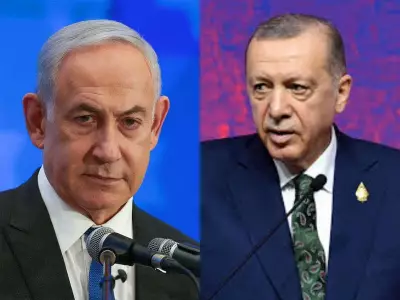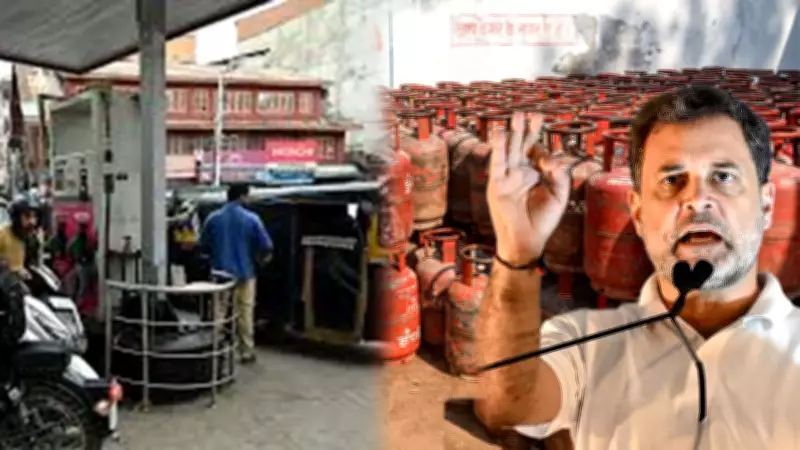
A steep ₹993 hike in commercial LPG prices has sparked a political storm, with Congress leader Rahul Gandhi claiming he had warned of such a move. The opposition leader alleges that fuel prices were deliberately suppressed during the recent elections and are now being increased after the polls.
Political Reactions and Government Response
Rahul Gandhi took to social media to express his concerns, stating that the price rise was anticipated and that the government is now passing the burden to consumers. He warned that petrol and diesel prices could be next, further straining household budgets. The Congress party has demanded an immediate rollback of the LPG price hike and a clear explanation from the government.
In response, government officials have insisted that petrol, diesel, and domestic LPG rates remain unchanged. They attribute the commercial LPG price adjustment to global market dynamics and rising crude oil prices. The government also highlighted that subsidies on domestic LPG continue to protect households from such fluctuations.

Impact on Businesses and Inflation
The hike in commercial LPG prices has already affected small businesses, restaurants, and industries that rely heavily on LPG for operations. Many business owners have expressed concerns about increased operational costs, which may lead to higher prices for goods and services. This development has intensified the debate over inflation and the cost of living in the country.
Economists warn that if global crude prices continue to rise, the government may face pressure to adjust petrol and diesel prices as well. While the government has maintained a status quo on these fuels, industry experts believe that sustained high crude costs could force a revision in the coming months.
Wider Implications for Consumers
For ordinary citizens, the LPG price hike adds to the financial burden already felt from rising food and commodity prices. Opposition leaders have accused the government of prioritizing fiscal consolidation over public welfare. They argue that the timing of the price increase, just after elections, reflects a lack of transparency and accountability.
The political fallout is likely to continue, with both sides using the issue to rally support. As the debate unfolds, consumers and businesses alike are watching closely for any further changes in fuel pricing policies.