Congress Leader Rahul Gandhi Sounds Alarm on Delhi's Air Pollution Health Crisis
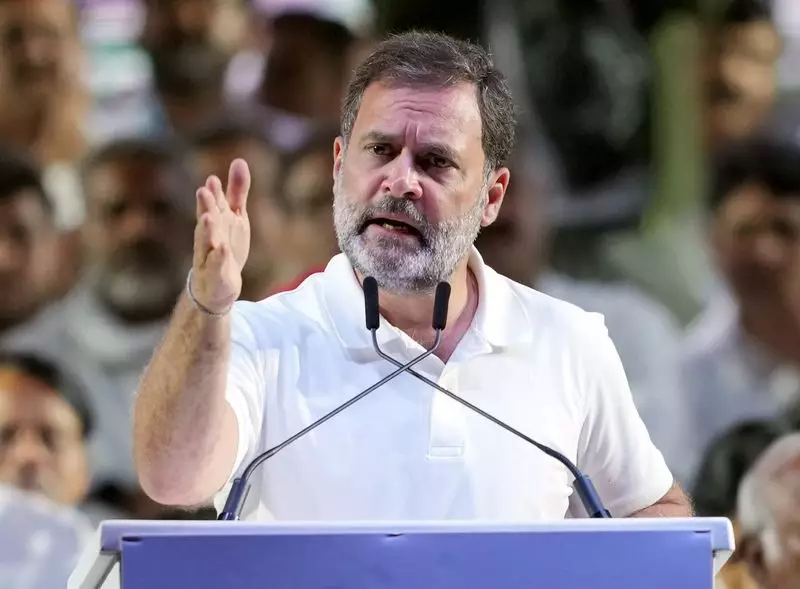
In a stark warning that has resonated across the national capital, Congress leader Rahul Gandhi has declared that the people of Delhi are paying a heavy price for air pollution with their health. His statement comes at a time when the city continues to grapple with dangerously high levels of particulate matter and toxic pollutants, posing a severe threat to millions of residents.
The Human Cost of Environmental Negligence
Gandhi emphasized that the ongoing air quality crisis is not merely an environmental issue but a profound public health emergency. He pointed out that vulnerable groups, including children, the elderly, and those with pre-existing respiratory conditions, are particularly at risk. The Congress leader argued that the failure to implement effective and sustainable solutions has led to a situation where citizens are directly bearing the brunt of governmental inaction.
"Every breath taken in Delhi now carries a hidden cost—a cost measured in deteriorating health, increased medical expenses, and reduced quality of life," Gandhi remarked. He cited rising cases of asthma, bronchitis, and other pollution-related ailments as clear indicators of the crisis. His comments underscore a growing concern among health experts and environmental activists who have long warned about the long-term impacts of sustained exposure to poor air quality.

Call for Urgent Government Intervention
The political figure called upon both the central and state governments to take immediate and decisive steps to address the root causes of air pollution. He suggested a multi-pronged approach that includes:
- Strengthening regulations on industrial emissions and vehicular pollution.
- Promoting the use of cleaner energy sources and public transportation.
- Implementing large-scale afforestation projects to improve air quality.
- Enhancing public awareness campaigns about the health risks associated with pollution.
Gandhi stressed that without such measures, the health toll on Delhi's population will only escalate, potentially leading to a broader societal and economic burden. He also highlighted the need for transparent monitoring and reporting of air quality data to keep citizens informed and hold authorities accountable.
Broader Implications for Urban India
This issue extends beyond Delhi, as many other Indian cities face similar air pollution challenges. Gandhi's remarks serve as a reminder of the urgent need for comprehensive environmental policies that prioritize public health. The debate over air pollution has become increasingly politicized, with opposition leaders leveraging it to critique the ruling administration's performance on environmental governance.
As the winter season approaches, traditionally a time when air quality in North India deteriorates further, the call for action grows more pressing. Health professionals warn that prolonged exposure to polluted air can lead to chronic diseases, increased mortality rates, and significant healthcare costs, making this a critical issue for national policy.
In conclusion, Rahul Gandhi's intervention highlights the deep-seated connection between environmental degradation and public health in urban India. It underscores the necessity for swift, coordinated efforts to mitigate air pollution and safeguard the well-being of citizens, ensuring that no one has to pay such a heavy price with their health for the air they breathe.