Rahul Gandhi Criticizes Bill as Electoral Map Change in Lok Sabha
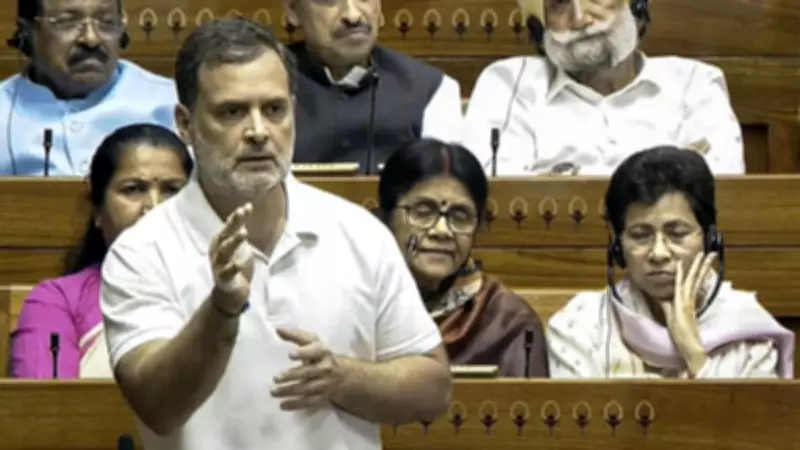
Congress leader Rahul Gandhi has strongly criticized a recent bill in the Lok Sabha, asserting that it is not intended for women's empowerment but rather to alter India's electoral map. In a passionate address, Gandhi urged the government to focus on implementing the 2023 Women's Reservation Act, promising full support from the opposition if this step is taken.
Gandhi's Stance on the Bill
During the parliamentary session, Rahul Gandhi emphasized that the proposed legislation does not genuinely aim to empower women. Instead, he argued, it is designed to reshape the electoral boundaries and political landscape of India. This move, according to Gandhi, could have significant implications for future elections and representation.
He highlighted that the bill appears to be a strategic effort to change the electoral map, which might affect the balance of power across various regions. Gandhi expressed concern that such changes could undermine the true spirit of democratic representation and women's rights in the country.

Call for Implementation of Women's Reservation Act
In response to the bill, Rahul Gandhi called on the government to prioritize the implementation of the 2023 Women's Reservation Act. This act, which has been pending, aims to reserve seats for women in legislative bodies, thereby promoting gender equality in politics.
Gandhi assured that the opposition would back the government if it moves forward with this act. He stated that this would be a more effective and genuine step toward empowering women, rather than pursuing legislation that he views as politically motivated.
Political Implications and Reactions
The remarks by Rahul Gandhi have sparked discussions in political circles about the intent behind the bill and its potential impact on India's electoral system. Critics argue that changing the electoral map could lead to gerrymandering or unfair advantages for certain parties.
Supporters of the bill, however, may defend it as necessary for updating electoral boundaries based on demographic changes. The debate underscores the ongoing tensions between different political factions regarding women's representation and electoral reforms.
As the Lok Sabha continues to deliberate on this issue, the focus remains on whether the government will heed Gandhi's call to implement the Women's Reservation Act or proceed with the current bill. The outcome could shape the future of women's participation in Indian politics and the electoral landscape for years to come.