Rahul Gandhi Levels Serious Allegations of Electoral Fraud in Gujarat
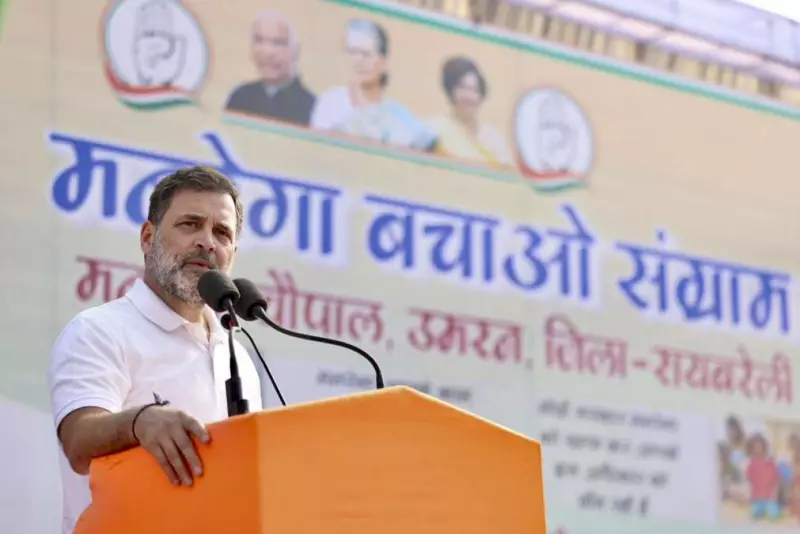
Congress leader Rahul Gandhi has made explosive claims regarding the ongoing electoral roll revision process in Gujarat, alleging a deliberate and systematic attempt to manipulate voter lists to benefit the ruling Bharatiya Janata Party (BJP) ahead of the crucial 2026 state assembly elections. The allegations have sparked a major political controversy, raising questions about the integrity of the electoral preparation process in the key western state.
Allegations of Systematic Voter List Tampering
In a strongly worded statement, Gandhi asserted that the revision of electoral rolls in Gujarat is being conducted in a manner that amounts to "organized vote theft." He claimed that there is evidence of large-scale deletion of legitimate voters, particularly from communities traditionally supportive of opposition parties, alongside the suspicious addition of new voters in constituencies where the BJP seeks to strengthen its position.
"What we are witnessing in Gujarat is not routine administrative work but a calculated assault on democratic principles," Gandhi stated. "Names are being removed from voter lists without proper verification, and new names are being added with questionable documentation. This undermines the very foundation of free and fair elections."

The Context of Gujarat's Political Landscape
Gujarat holds significant political importance as the home state of Prime Minister Narendra Modi and Home Minister Amit Shah. The BJP has maintained a dominant position in the state for decades, but the Congress party has been working to rebuild its presence. The 2026 assembly elections are seen as a critical test for both parties.
The timing of these allegations is particularly sensitive, as the Election Commission of India typically undertakes extensive revision of electoral rolls well in advance of major elections to ensure accuracy and inclusivity. However, Gandhi's accusations suggest that this process is being exploited for partisan gain.
Specific Claims and Demands
While Gandhi did not provide exhaustive documentary evidence in his initial statement, he indicated that the Congress party has collected data showing:
- Disproportionate deletion of voter names in urban slums and rural areas with significant minority populations
- Unusually high rates of new voter registration in certain BJP strongholds
- Inadequate public notification about deletions, preventing affected citizens from filing objections
- Alleged collusion between local administration officials and BJP workers in the revision process
The Congress leader has demanded an immediate, transparent audit of the electoral roll revision process by an independent authority. He has also called for the Election Commission to intervene directly to ensure the sanctity of the voter list preparation.
Potential Implications for Electoral Integrity
These allegations touch upon fundamental concerns about electoral integrity in India's democracy. Accurate voter lists are essential for ensuring that every eligible citizen can exercise their franchise. Any manipulation of these lists can directly influence election outcomes by disenfranchising certain groups or artificially inflating support in specific areas.
If proven true, such systematic tampering with electoral rolls would represent a serious threat to democratic processes not just in Gujarat but potentially across India. The controversy comes at a time when opposition parties have repeatedly raised concerns about the fairness of India's electoral machinery.
Political Reactions and Next Steps
The BJP has yet to issue a detailed response to these specific allegations, though party leaders have previously dismissed similar claims as baseless political rhetoric designed to undermine confidence in electoral institutions. Political observers expect the controversy to intensify as both parties prepare for the 2026 elections.
The Election Commission now faces pressure to address these allegations transparently. How the commission responds could significantly impact public trust in the electoral process ahead of not just Gujarat's elections but also future national polls.

This development highlights the increasingly contentious nature of electoral preparation in India's competitive democracy, where every aspect of the election process—from voter registration to polling day arrangements—has become subject to intense political scrutiny and allegation.