Raghav Chadha Goes Undercover as Blinkit Delivery Boy
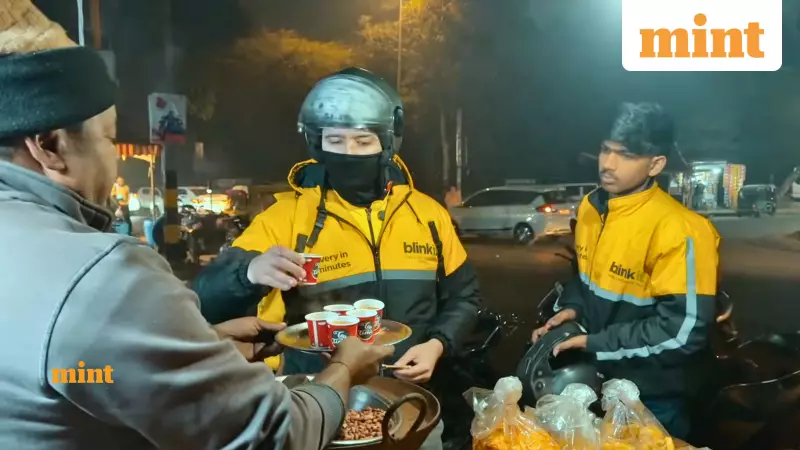
Aam Aadmi Party MP Raghav Chadha recently disguised himself as a Blinkit delivery boy. He wanted to experience firsthand the daily challenges faced by gig economy workers. In a new YouTube video, Chadha explains his mission was to highlight these often invisible workers and listen directly to their concerns.
Chadha made it clear he was not targeting any specific company. His goal was simply to understand how delivery riders earn their living, how they work, and how they manage to survive.
Joining a Rider's Daily Grind
During his undercover shift, Chadha partnered with a delivery rider named Shivam. He used Shivam's delivery app and identification to complete actual orders. This experience gave him direct insight into the demanding nature of the job.

Chadha witnessed the extremely long working hours, the pressure of late-night deliveries, and the constant stress of meeting delivery targets. He also saw how little rest riders get and the serious safety risks they face on busy roads every single day.
The Exhausting Reality of a Delivery Rider's Day
Shivam's typical workday begins at 7 AM and frequently stretches until 11 PM. That amounts to 15 or 16 hours of continuous labor. Even after finishing deliveries, riders must handle household chores like cooking, cleaning, and laundry. This leaves them with barely 2 to 3 hours of sleep each night.
Many riders work all 30 days of the month without taking a single day off. They do this hoping to earn enough money just to get by. The financial reality they face is starkly different from the promises often made.
Financial Struggles and Hidden Costs
Shivam originally expected to earn between ₹40,000 and ₹50,000 per month. In reality, he earns less than half of that amount. During one observed hour of work, his earnings were just ₹51. On another day, 14 hours of work brought in only ₹1,136, which works out to under ₹100 per hour.
Riders also bear significant operational costs. They must pay for petrol, bike rentals, repairs, and mobile data out of their own pockets. One rider reported earning ₹22,000 monthly but taking home less than ₹10,000 after covering all expenses. Return trips often go unpaid, further reducing their actual income.
The Dangerous Pressure of 10-Minute Deliveries
The YouTube video highlights that the promise of 10-minute deliveries has become one of the biggest dangers for riders. Many workers say this rule puts their lives at risk every single day.
To avoid penalties for late deliveries, riders feel forced to overspeed, jump traffic signals, and sometimes drive on the wrong side of the road. They describe it as literally playing with their lives.
Although company managers claim there is no pressure, the 10-minute slogan is printed directly on their uniforms. Supervisors frequently insist deliveries must be completed within 10 minutes, regardless of traffic conditions or road safety.
Accidents and Lack of Support
Several riders have already suffered serious accidents due to this constant rush. One rider shared that he broke his hand and badly injured his leg while trying to meet the strict time limit.
Even while injured and wearing a plaster cast, he felt compelled to continue working to avoid losing his income. There appears to be little sympathy or accommodation for injured workers.
One rider expressed the harsh reality clearly. "The company only cares about its own profit. Whether you are hungry or thirsty, whether it is raining, cold, or extremely hot, it does not matter to them at all," he said.
Riders also feel there is no genuine support system. They have no human manager to speak with, only automated helplines. If a phone is stolen or a customer runs away without paying, the rider is often held financially responsible. Even minor delays can result in lost incentives or threats of termination.
Inadequate Protection and Additional Costs
Delivery riders say large platforms offer very little real protection. Many claim there is no proper accident or health insurance provided.

After crashes, they are asked to submit extensive paperwork but rarely receive any compensation. Riders also report having to pay for essential gear like delivery bags, uniforms, and rain protection, with these costs deducted directly from their earnings.
A Direct Appeal for Change
The riders end with a clear appeal to company management, specifically naming Blinkit founder Deepinder Goyal. Their demands are straightforward:
- Safer delivery rules that do not endanger lives
- Fair and completely transparent payment structures
- Payment per kilometre that accurately reflects actual travel distance
- Human support to review customer complaints before penalties are imposed
Chadha's Message of Solidarity
"We don't have any issues with any company. We, too, want companies to grow and do well. I myself am doing their marketing while wearing their merchandise," Raghav Chadha said with a laugh during the video.
He directly addressed the Blinkit riders. "I just want you to have better lives. You are essential to the economy," Chadha told them.
One rider responded with cautious hope. "We just hope the company feels the way you are thinking," he said.