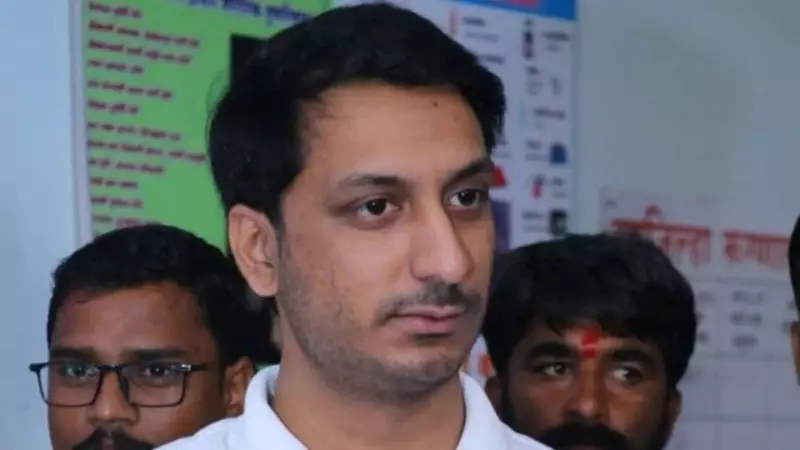
Pune Land Deal Investigation: Three Indicted, Parth Pawar Not Named
A high-level committee investigating the controversial land deal in Pune's Mundhwa area has submitted its report, indicting three individuals while notably excluding Parth Pawar, son of Maharashtra Deputy Chief Minister Ajit Pawar, from its findings.
The investigation panel, led by Joint Inspector General of Registration Rajendra Muthe, submitted its report on Tuesday, November 19, 2025. The report names Digvijay Patil of Amadea Enterprises LLP, Sheetal Tejwani, and Sub-Registrar Ravindra Taru as those responsible for irregularities in the land transaction.
Key Findings of the Investigation Committee
According to the committee's findings, the land in question was government property leased to the Botanical Survey of India and should never have been sold through private transactions. District collector officials have confirmed that the land deal violated established protocols for government-owned properties.

Sheetal Tejwani held the power of attorney for the original 272 watandars of the Mahar Watan land, while Digvijay Patil signed the documents representing Amadea Enterprises LLP. Parth Pawar serves as a director in the same company, though the investigation report follows the pattern of the initial FIR by not naming him directly.
The report accessed by The Indian Express reveals significant procedural lapses in the registration process. It emphasizes that under Section 31 of the relevant Act, the collector of stamps must approve transactions where stamp duty waiver has been requested.
Recommended Reforms in Registration Process
The investigation committee has proposed substantial changes to prevent similar irregularities in the future. The report recommends appointing qualified senior and experienced Joint Deputy Registrars in districts that are crucial for revenue collection in Maharashtra, ensuring these positions do not remain vacant.
Section K of the Registration Act, 1908, has been cited in the report, which states that documentation can only be completed when the 7/12 extract of the land is not older than one month. This provision was apparently violated in the Mundhwa land deal case.
The committee has also suggested modifications to the Registration Act, 1908, particularly regarding Section 18A, which was inserted through an amendment dated April 28, 2025. While this section makes it mandatory for secondary registrars not to register deeds for properties owned by the government, the provision is limited to 'ownership' only.
The report argues for clearer provisions in the Act to ensure that deeds for properties not technically owned by the government but in government possession or having other government interests cannot be registered.
Broader Implications and Next Steps
This investigation represents the first of two committees looking into the Mundhwa land deal controversy that has drawn significant political attention in Maharashtra. The exclusion of Parth Pawar's name from both the FIR and this committee report is likely to generate continued political debate.
The case highlights ongoing concerns about land registration procedures and the potential for exploitation of loopholes in government land transactions. The recommendations for systemic reforms could lead to significant changes in how land deals involving government properties are processed across Maharashtra.
As the second committee continues its investigation, all eyes remain on whether additional findings might emerge concerning this controversial land deal that has captured public attention and raised questions about transparency in government land management.