Puducherry Assembly Elections 2024: A Comprehensive Overview
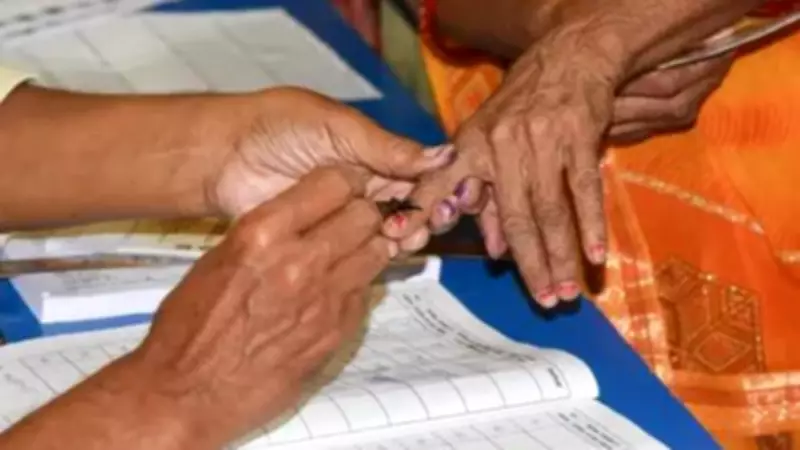
The Union Territory of Puducherry is poised for a significant democratic exercise as it prepares to go to the polls on Thursday, April 9. Voting will be conducted from 7 AM to 6 PM across a total of 1,099 polling stations spread throughout Puducherry and its enclaves of Karaikal, Mahe, and Yanam. This electoral event will see more than 9.5 lakh eligible voters exercising their franchise to determine the fate of 294 candidates vying for 30 Assembly seats.
Special Arrangements and Security Measures
To ensure an inclusive and accessible voting process, the Election Commission has implemented special arrangements for first-time voters, senior citizens, and differently-abled citizens. These measures include the deployment of volunteers, provision of wheelchairs, availability of Braille ballots, and assistance through the Saksham mobile application. Security and monitoring have been significantly enhanced, with drone surveillance deployed to curb electoral malpractice. This proactive approach has already resulted in the seizure of Rs 77.25 lakh in cash and Rs 68.5 lakh in liquor, allegedly intended to influence voters.
Security deployment is robust, comprising 4,836 government personnel, 2,791 police staff, 173 micro-observers, and 2,198 student volunteers. Special polling stations have been set up, including 30 managed entirely by women, 15 by young officers, and two entirely by persons with disabilities. All polling stations are equipped with essential amenities such as seating, drinking water, toilets, ramps, signage, and webcasting facilities to guarantee a smooth and transparent voting process.

Key Contestants and Political Alliances
The elections are set to witness a fierce battle between the ruling NDA alliance, which includes the NR Congress, BJP, AIADMK, and LJK, and the opposition Congress-DMK bloc. Chief Minister N Rangasamy, leading the AINRC, is contesting from two constituencies: Thattanchavady and Mangalam. Adding a layer of unpredictability to the contest is the emergence of actor-turned-politician Vijay’s Tamilaga Vettri Kazhagam (TVK) as a significant third force, potentially influencing outcomes in several constituencies.
Other political parties, including the CPI, CPI(M), and Naam Tamizhar Katchi, are also fielding candidates, making the electoral landscape highly competitive. This fragmentation could lead to vote-splitting, which may prove decisive in closely contested seats.
Major Issues Shaping the Electoral Battle
One of the central issues dominating the election discourse is Puducherry’s long-standing demand for full statehood. The ruling NDA alliance claims that its alignment with the central government ensures smoother governance, while the opposition argues that administrative friction with the Lieutenant Governor has limited the Union Territory’s autonomy. This election is being framed as a de facto referendum on what the opposition terms "lost powers."
Economic concerns are also at the forefront, with rising living costs, unemployment, and the proposed privatisation of the electricity department being key voter grievances. The ruling alliance is relying on its track record of welfare schemes and subsidies to retain voter trust, whereas the opposition is highlighting economic challenges and advocating for better job opportunities. The entry of TVK has further complicated the political scenario, introducing new dynamics and potentially altering traditional vote banks.
What’s at Stake in the Puducherry Elections
Voters across Puducherry, Karaikal, Mahe, and Yanam will ultimately decide whether the NDA retains its "double engine" governance model or whether the opposition bloc and new entrants like TVK reshape the political landscape of the Union Territory. With polling scheduled for April 9 and counting set for May 4, the outcome will signal the future political direction of the region. This election could also set a precedent for how emerging third parties influence small but strategically important assemblies, potentially impacting broader political trends in India.