Puducherry's High-Stakes Assembly Election: A Crucial Vote on Thursday
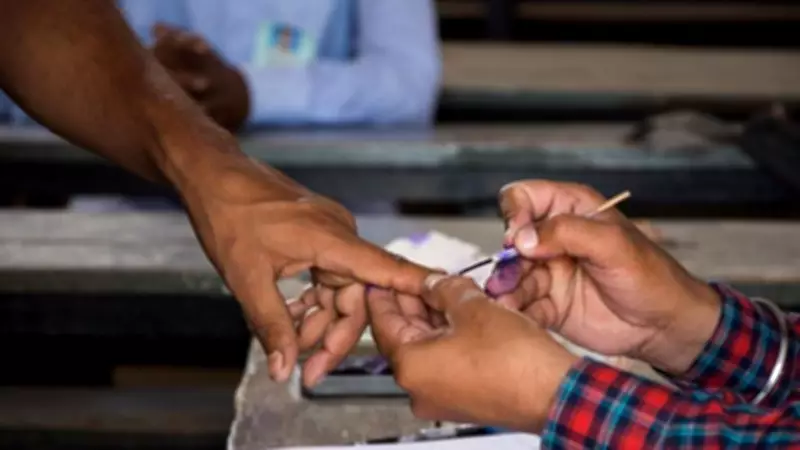
NEW DELHI: The union territory of Puducherry is poised for a pivotal electoral showdown on Thursday, April 9, with approximately 9.5 lakh voters set to cast their ballots in a contest that, while limited to just 30 assembly seats, carries immense political significance. A total of 294 candidates are vying for power, and in this tightly contested race, even narrow voting margins could dramatically alter the final outcome, making every vote count in this high-stakes democratic exercise.
Three Critical Factors Defining the Puducherry Election Battle
As Puducherry prepares to vote, several key issues and dynamics are shaping the electoral landscape, influencing voter sentiment and campaign strategies across the territory.
1. The Persistent Demand for Full Statehood
The long-standing call for Puducherry to attain full statehood has re-emerged as a central theme in this election cycle. Chief Minister N Rangasamy and his All India NR Congress (AINRC), which is part of the BJP-led National Democratic Alliance (NDA), advocate that alignment with the central government ensures more efficient and streamlined governance. In contrast, the opposition Congress-DMK alliance frames this election as a referendum on what they term "lost autonomy," arguing that despite the "double engine" setup—where the same party rules at both the state and central levels—Puducherry has experienced ongoing friction with the Lieutenant Governor and restricted administrative freedom, highlighting tensions in the current governance model.

2. Economic Pressures and Welfare Promises
Economic concerns dominate voter discussions, with the proposed privatization of the electricity department sparking widespread protests and fears of increased power tariffs. The ruling NDA alliance is heavily relying on its welfare initiatives, including cash support schemes and various subsidies, to maintain voter trust and secure electoral support. However, the opposition has effectively capitalized on rising living costs, persistent unemployment, and a shortage of quality job opportunities, issues that have driven many young residents to migrate to metropolitan centers like Chennai and Bengaluru in search of better prospects.
3. A Fragmented Contest and the Influence of Vijay's Entry
In Puducherry's compact assembly, where a few thousand votes can decisively shift results, the electoral field is more crowded than usual. Beyond the primary contests between the NDA and the Congress-DMK alliance, the entry of actor-turned-politician Vijay’s Tamilaga Vettri Kazhagam (TVK) introduces a new layer of unpredictability. With multiple political parties and independent candidates in the fray, vote-splitting becomes a critical factor. In several constituencies, a third force could erode traditional vote banks, potentially overturning close contests and increasing the likelihood of a hung assembly, where no single party secures a clear majority.
Awaiting the Verdict: Will NDA Retain Power or Will Opposition Regain Control?
The central question remains: Will the NDA manage to uphold its "double engine" governance model, or will the opposition bloc successfully reclaim power in this union territory? As Puducherry heads to the polls tomorrow, the electoral outcome will be determined, with the final verdict expected to be announced on May 4, marking a crucial moment in the region's political trajectory.