Former President Pratibha Patil Advocates for Women's Reservation Law in Letter to PM Modi
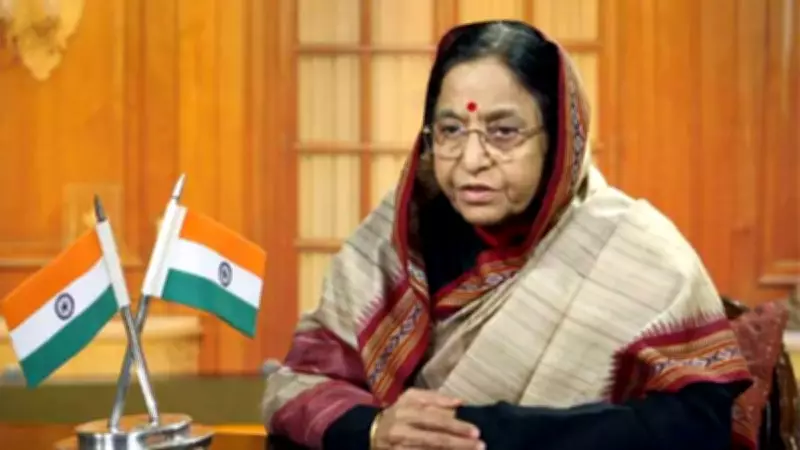
In a significant development for gender equality in Indian politics, former President Pratibha Patil, who made history as India's first woman president, has publicly backed the women's reservation law. She has written a formal letter to Prime Minister Narendra Modi, expressing her strong support for this legislative measure aimed at increasing female representation in Parliament and state legislatures.
Historic Support from a Trailblazing Leader
Pratibha Patil, who served as the 12th President of India from 2007 to 2012, is widely respected for breaking barriers in a male-dominated political landscape. Her endorsement of the women's reservation law carries considerable weight, given her pioneering role and extensive experience in public service. In her communication to PM Modi, she emphasized the critical importance of this law in fostering inclusive governance and empowering women across the nation.
The women's reservation law, which proposes to reserve one-third of seats in the Lok Sabha and state legislative assemblies for women, has been a long-standing demand of various political and social groups. Patil's letter highlights the urgent need for its implementation to address gender disparities and ensure that women have a stronger voice in decision-making processes that affect their lives and communities.

Key Points from Pratibha Patil's Letter
In her detailed letter, Pratibha Patil outlined several compelling arguments in favor of the women's reservation law:
- Empowerment and Representation: She stressed that increased political representation for women is essential for achieving true gender equality and social justice in India.
- Historical Precedent: Drawing from her own journey as the first woman president, Patil noted that such measures can inspire future generations of women leaders.
- Policy Impact: She argued that women's participation in politics leads to more balanced and effective policies, particularly in areas like education, health, and welfare.
- Global Standards: Patil pointed out that many countries have successfully implemented similar quotas, enhancing their democratic processes and women's rights.
Her letter also called for bipartisan support to pass the law, urging all political parties to prioritize this issue for the nation's progress. This move comes at a time when discussions around women's reservation have gained renewed momentum in political circles, with various stakeholders advocating for its swift enactment.
Broader Implications for Indian Politics
The backing of Pratibha Patil adds a powerful voice to the campaign for the women's reservation law, potentially influencing public opinion and political will. As a former head of state, her support underscores the non-partisan nature of this cause, transcending political affiliations and focusing on national development.
Experts believe that such endorsements from esteemed figures like Patil could accelerate legislative action, prompting the government to revisit and advance the bill in Parliament. The law, if implemented, would mark a transformative step towards gender parity in Indian democracy, aligning with global trends and constitutional values of equality.
In conclusion, Pratibha Patil's letter to PM Modi represents a pivotal moment in the ongoing struggle for women's political empowerment in India. Her advocacy, rooted in personal experience and a commitment to social change, reinforces the urgency of enacting the women's reservation law to build a more inclusive and equitable society for all citizens.