PM Modi's Assam Tea Estate Visit Merges Cultural Connection with Electoral Politics
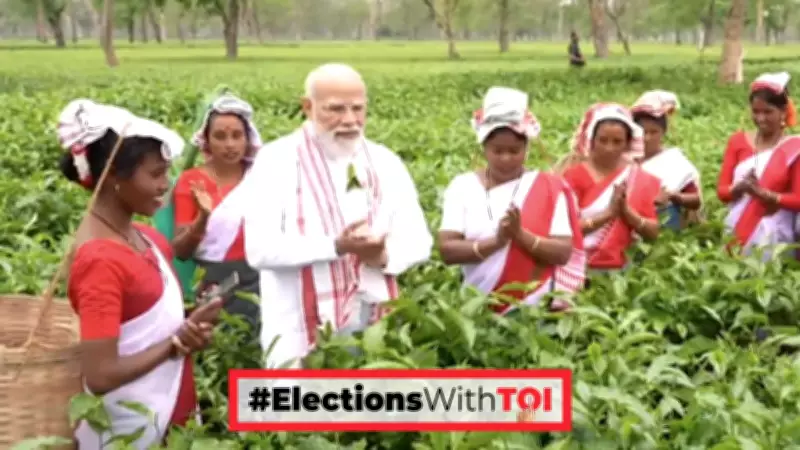
Prime Minister Narendra Modi transformed a simple walk through a tea garden into a significant political statement during his recent visit to Assam. At the Monohari Tea Estate, the Prime Minister engaged directly with workers, participating in their daily activities and absorbing the local culture.
Cultural Immersion in the Heart of Assam's Tea Country
The visit showcased a more personal, human side of leadership as Modi joined women tea pluckers in their work, learned about traditional tea harvesting techniques, and listened to authentic Jhumur songs performed by the community. This cultural outreach demonstrated a deliberate effort to connect with Assam's rich heritage and the people who sustain one of its most important industries.
Strategic Timing Ahead of Crucial Elections
From a broader political perspective, the timing of this visit reveals a clear electoral strategy. The tea tribe community represents a crucial voting bloc in Assam's political landscape, with the power to influence multiple constituencies across the state. By stepping directly into their daily lives and work environment, Modi strengthened his connection with this key demographic group at a politically sensitive moment.

The symbolism of the Prime Minister engaging with tea workers carries significant weight in a state where the tea industry employs hundreds of thousands of people and forms an integral part of the regional identity.
Blending Symbolism with Political Positioning
This carefully orchestrated visit represents a sophisticated blend of cultural outreach and political positioning. The imagery of national leadership connecting with grassroots workers creates powerful visual messaging that resonates beyond immediate political calculations. At the same time, the strategic focus on the tea tribe community acknowledges their pivotal role in determining electoral outcomes in Assam.
The approach demonstrates how modern political campaigns increasingly merge symbolic gestures with targeted voter outreach, creating multi-layered communications that work on both emotional and practical levels.
Broader Implications for Indian Politics
This visit highlights several important trends in contemporary Indian politics:
- Increasing emphasis on direct, personal connections between national leaders and local communities
- Strategic targeting of influential demographic groups ahead of elections
- Integration of cultural elements into political campaigning
- Use of workplace visits as platforms for both policy messaging and voter engagement
The Monohari Tea Estate visit exemplifies how political strategy and cultural symbolism can work in tandem, creating moments that serve multiple purposes simultaneously. As election seasons approach across various Indian states, such carefully calibrated engagements are likely to become increasingly common in the political playbook.