PM Modi's Urgent Call: Women's Reservation Bill Must Not Be Delayed
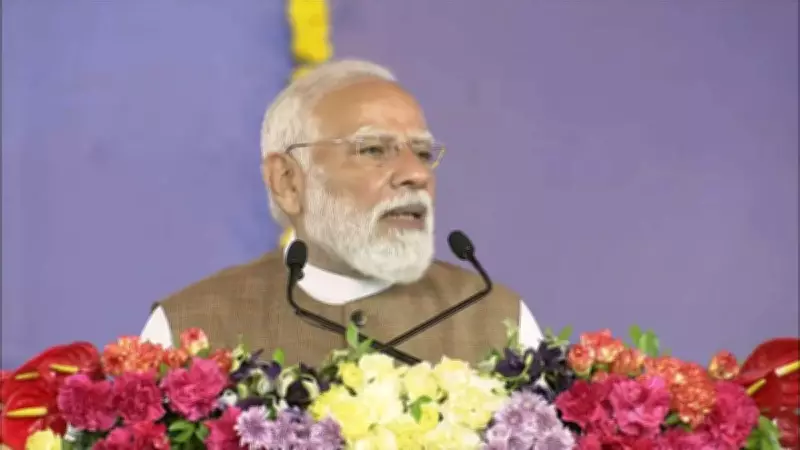
In a significant move, Prime Minister Narendra Modi has made a powerful appeal for the Women's Reservation Bill, asserting that women cannot be made to wait any longer for political representation. This message was conveyed in a letter addressed to Nari Shakti, highlighting the government's commitment to gender equality and empowerment.
Key Highlights from the Prime Minister's Letter
The letter, dated April 14, 2026, outlines the Prime Minister's firm stance on the issue. He emphasized that the bill is crucial for ensuring women's participation in the political process and that further delays are unacceptable. Modi stressed that empowering women is not just a policy goal but a national imperative for India's development.
Why This Bill Matters: The Women's Reservation Bill aims to reserve one-third of seats in the Lok Sabha and state legislative assemblies for women. This has been a long-pending demand from various quarters, and Modi's appeal signals a renewed push for its passage.

Historical Context and Current Push
India has seen debates on this bill for decades, with previous attempts facing hurdles. Modi's letter comes at a time when there is growing public and political pressure to address gender disparities in governance. The Prime Minister pointed out that women's contributions are vital to the nation's progress, and their representation in decision-making bodies is essential.
Impact on Nari Shakti: The term "Nari Shakti" refers to women's power and strength, and Modi's direct address to this group underscores the government's focus on mobilizing support from women across the country. This move is seen as part of broader efforts to engage with women voters and activists.
Political and Social Implications
The appeal has sparked discussions across political parties and civil society. Supporters argue that the bill will lead to more inclusive policies and better representation of women's issues. Critics, however, have raised concerns about implementation challenges and the need for consensus.
- Increased Awareness: Modi's letter has brought the issue back into the spotlight, encouraging public debate.
- Government's Commitment: This aligns with other initiatives aimed at women's empowerment, such as schemes for education and entrepreneurship.
- Future Steps: The letter suggests that the government may prioritize the bill in upcoming parliamentary sessions.
In conclusion, Prime Minister Modi's appeal marks a critical moment in the journey towards gender equality in Indian politics. By stating that women cannot be made to wait, he has set a clear timeline for action, urging all stakeholders to come together for the bill's swift passage. This development is expected to influence political dynamics and social movements in the coming years.