PM Modi Hails Women's Reservation Act as Bridge Between Past and Future
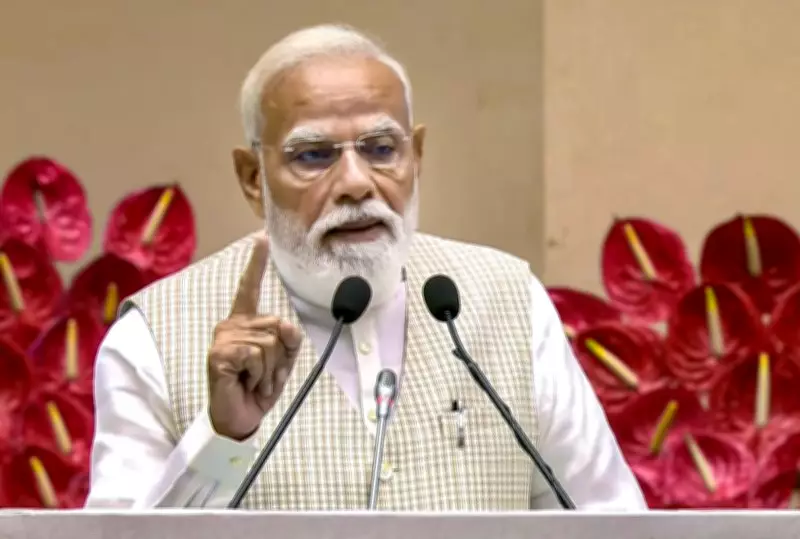
Prime Minister Narendra Modi has declared that the Women's Reservation Act is poised to realize the long-held visions of India's past leaders while fulfilling the resolutions set for future generations. In a significant address, he underscored the legislation's transformative potential in reshaping the political landscape by ensuring greater representation for women.
Historical Context and Modern Implementation
The act, which mandates a 33% reservation for women in the Lok Sabha and state legislative assemblies, has been a topic of debate and advocacy for decades. Modi emphasized that this move honors the aspirations of historical figures who championed gender equality and social justice. He noted that the implementation of this act is not merely a policy change but a societal milestone that aligns with India's democratic ethos.
Empowering Women in Governance
By reserving seats for women, the act aims to break traditional barriers and foster inclusive governance. Modi highlighted that this step will empower women to actively participate in decision-making processes, thereby enriching parliamentary discussions with diverse perspectives. He asserted that such representation is crucial for addressing issues specifically affecting women and for promoting holistic national development.

Future Implications and National Progress
Looking ahead, the Prime Minister expressed confidence that the Women's Reservation Act will serve as a catalyst for achieving future resolutions related to gender parity and social equity. He pointed out that increased female representation in politics is expected to inspire younger generations and contribute to a more balanced and progressive society. Modi concluded by reaffirming the government's commitment to creating an environment where women can thrive in all spheres, including politics.