PM Modi Reassures Lok Sabha Ahead of Crucial Delimitation Vote
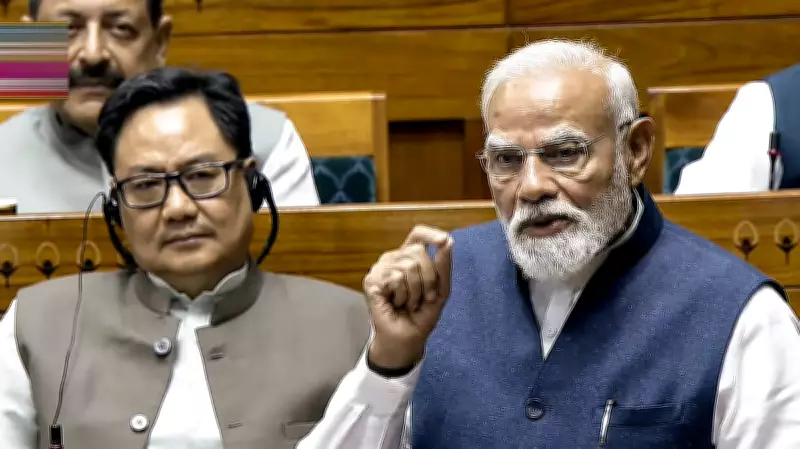
Prime Minister Narendra Modi addressed the Lok Sabha on Thursday, delivering a speech aimed at reassuring members ahead of a pivotal vote scheduled for Friday. The vote will determine the fate of several bills related to the delimitation process, a critical exercise in redrawing electoral boundaries across India.
Opposition Vows to Vote Against Legislation
The Opposition, led by various political parties, has firmly declared its intention to vote against the proposed legislation. In strong terms, they have characterized the government's move as an "open attack" on Indian democracy, arguing that the delimitation changes could undermine fair representation and electoral integrity.
This stance sets the stage for a highly contentious parliamentary session, with both sides preparing for a rigorous debate and a close vote. The delimitation process, which involves adjusting the number and boundaries of parliamentary constituencies based on population changes, has historically been a sensitive issue in Indian politics.

Key Details of the Upcoming Vote
The Lok Sabha is set to vote on the bills this Friday, following extensive discussions and committee reviews. The legislation aims to implement new delimitation guidelines that could significantly impact future elections, including the allocation of seats among states and union territories.
In his address, PM Modi emphasized the importance of the delimitation exercise for ensuring equitable representation and upholding democratic principles. He urged all members to consider the long-term benefits for the nation, highlighting that the process is designed to reflect current demographic realities and promote inclusive governance.
Political Reactions and Implications
The Opposition's criticism centers on concerns that the delimitation changes might favor certain regions or political groups, potentially altering the balance of power in Parliament. They have called for greater transparency and public consultation before such significant reforms are enacted.
As the vote approaches, political analysts are closely monitoring the situation, noting that the outcome could have far-reaching consequences for India's electoral landscape. The debate underscores the ongoing tensions between the ruling party and the Opposition over key policy matters, with both sides mobilizing support to sway the final decision.
This development comes amid a broader context of political maneuvering in New Delhi, with issues of governance and democratic norms taking center stage in public discourse.