PM Modi Reaches Out to Political Parties for Women's Reservation Law Consensus
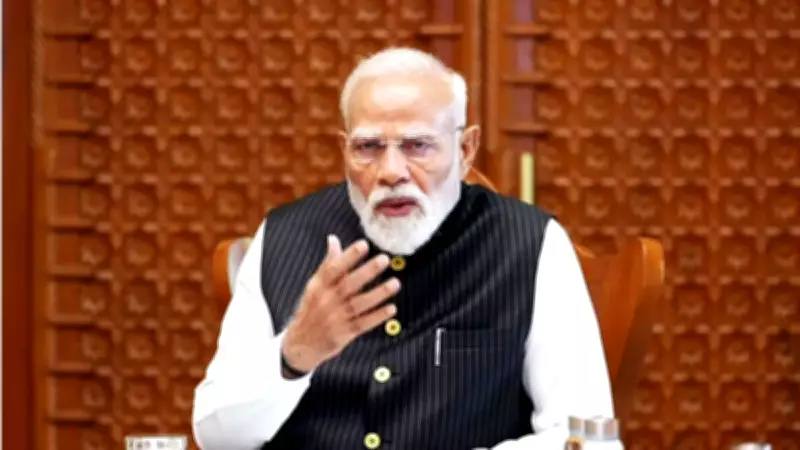
In a significant move aimed at advancing gender equality in Indian politics, Prime Minister Narendra Modi has penned letters to all political parties across the nation. The Prime Minister's communication seeks to build a broad-based consensus for the swift and effective implementation of the long-pending Women's Reservation Law. This initiative underscores the government's commitment to ensuring greater political representation for women in legislative bodies.
Urgent Call for Collaborative Action
The letters, dispatched to leaders of both national and regional parties, emphasize the critical need for unity and cooperation on this historic legislation. Prime Minister Modi has highlighted that the successful enactment and rollout of the Women's Reservation Law require collective support from all political stakeholders. By fostering an environment of dialogue and agreement, the government aims to overcome any potential hurdles and expedite the process.
The proposed timeline targets full implementation by the year 2026, aligning with broader national goals for inclusive governance. This deadline reflects a strategic approach to integrate women's representation into the political framework systematically. The Prime Minister's outreach is seen as a proactive step to ensure that the law does not face delays due to partisan disagreements or procedural bottlenecks.

Historical Context and Legislative Journey
The Women's Reservation Bill, which seeks to reserve one-third of seats in the Lok Sabha and state legislative assemblies for women, has been a topic of debate for decades. First introduced in the 1990s, the bill has seen multiple attempts at passage, often stalling due to lack of consensus among political parties. The current push by the Modi administration marks a renewed effort to translate this legislative proposal into reality.
Key aspects of the proposed law include:
- Reservation of 33% seats for women in the Lok Sabha.
- Similar reservation in state legislative assemblies.
- Provisions for rotational reservation to ensure widespread representation.
- Measures to address intersectional issues affecting women from marginalized communities.
Potential Impact on Indian Democracy
Implementing the Women's Reservation Law is expected to have transformative effects on India's political landscape. By increasing the number of women in decision-making roles, the law aims to bring diverse perspectives to policy formulation and governance. Studies and global examples suggest that greater female representation leads to more inclusive and effective legislation, particularly in areas such as education, healthcare, and social welfare.
Prime Minister Modi's letter also touches upon the broader implications for democratic participation. Enhancing women's political empowerment is viewed as essential for achieving sustainable development and social justice. The consensus-building effort is designed to ensure that the law receives bipartisan backing, thereby strengthening its legitimacy and long-term viability.
Next Steps and Political Reactions
As political parties review the Prime Minister's correspondence, initial responses indicate a mix of support and cautious optimism. Many leaders have acknowledged the importance of the Women's Reservation Law and expressed willingness to engage in constructive discussions. However, some parties have raised concerns about implementation details, including the mechanism for seat rotation and provisions for Other Backward Classes (OBCs) within the reservation framework.
The government plans to follow up with formal consultations and possibly all-party meetings to iron out differences and finalize the legislative text. The goal is to introduce the bill in Parliament during the upcoming sessions, with the aim of passing it smoothly to meet the 2026 implementation target.

In conclusion, Prime Minister Narendra Modi's initiative to seek consensus on the Women's Reservation Law represents a pivotal moment in India's political evolution. By prioritizing gender equality through collaborative politics, the move has the potential to reshape governance and empower millions of women across the country. The coming months will be crucial as parties deliberate and work towards a unified stance on this landmark legislation.