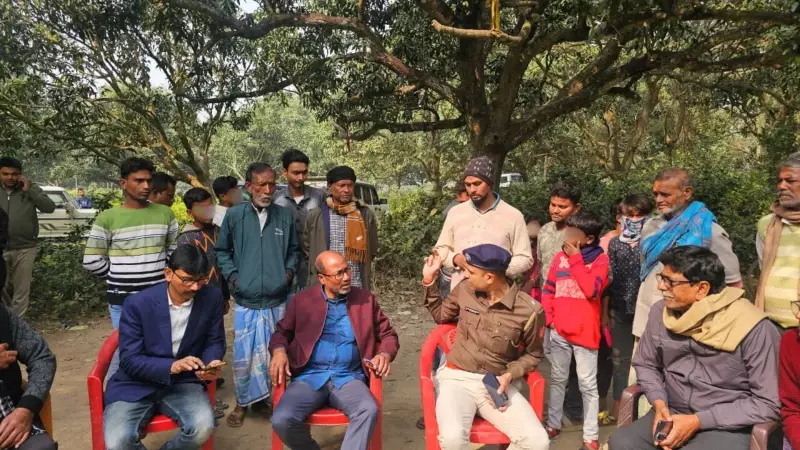
Pastor Assault in Dhenkanal Marks Latest Communal Incident in Odisha
In a disturbing development, Odisha Police have detained nine individuals for questioning in connection with the assault on pastor Bipin Naik in the Parjang Police Station area of Dhenkanal district. The incident, which occurred on January 4, came to light only after the victim's wife lodged a formal complaint, sparking widespread outrage across the nation.
Details of the Assault and Police Response
According to the complaint, pastor Bipin Naik was allegedly attacked by a mob, which included members of the Bajrang Dal. The assailants are accused of smearing vermillion on him, parading him with a garland of shoes, and forcing him to bow before a temple, all under allegations of religious conversion. Dhenkanal Superintendent of Police Abhinav Sonkar confirmed that these charges are under investigation. However, he clarified that other claims, such as Naik being forced to drink drain water or consume cow dung, have not been substantiated by evidence or mentioned in the complaint.
A Pattern of Communal Violence Across Odisha
This assault is not an isolated event but part of a broader pattern of communal unrest that has plagued Odisha over the past 19 months. During this period, at least half a dozen towns in the state have experienced curfews and internet suspensions due to incidents ranging from lynchings to violent clashes.

Recent Incidents Highlighting the Trend
On January 14, a Muslim youth was lynched by alleged cow vigilantes in Balasore district, barely weeks after Jewel Sheikh, a 30-year-old from Murshidabad, West Bengal, was beaten to death in Sambalpur district. In both cases, police initially denied any hate crime element, though subsequent investigations led to arrests. Other notable incidents include the assault on a winter-garment seller in Ganjam district in November, the beating of Sheikh Saroof in Mayurbhanj in January, and harassment of street vendors in Puri ahead of Christmas 2025.
Historical Context and Government Actions
Communal tensions have escalated since the BJP formed its first solo government in Odisha in June 2024. In October 2025, Cuttack witnessed a three-day curfew following violence during Durga Puja immersion, prompting Chief Minister Mohan Charan Majhi to appeal for peace. Earlier, in June 2024, curfews were imposed in Balasore and Khurda due to clashes stemming from rumors of cow slaughter. Data from the National Crime Records Bureau indicates a spike in communal incidents, with 44 reported in 2023 and 15 in 2025.
Political Reactions and Minority Concerns
The Opposition has sharply criticized the state government, labeling the situation as "jungle raj" and accusing the BJP of fostering communal tension. BJD leaders point to their previous administration's swift actions, such as arrests and curfews, to contrast with the current response. Congress spokesperson Amiya Pandav alleges that hate incidents against minorities are "carefully organized crimes promoted and patronised by the ruling BJP."
Voices from Minority Communities
Bishop Pallav Lima of the Odisha Rashtriya Christian Morcha highlights police inaction, citing 87 reported hate crimes since November 2024 without significant action. He emphasizes that law enforcement should handle conversion allegations rather than mobs. Similarly, Syed Barkat Ali Tanveer of the Odisha Muslim Development Council warns that lax enforcement encourages repeat offenses, as perpetrators often secure bail quickly. A retired police officer blames provocative statements by leaders for emboldening vigilantes.
Government and BJP Defense
In response, BJP MLA Ashok Mohanty dismisses the Opposition's claims as "baseless," arguing that attacks on cattle smugglers reflect public anger rather than government inaction. Chief Minister Majhi has stated that information on communal violence is being collected, underscoring the government's commitment to addressing the issue.

Conclusion: A Call for Harmony and Accountability
As Odisha grapples with this surge in communal violence, the assault on pastor Bipin Naik serves as a stark reminder of the urgent need for robust law enforcement and political will to protect all communities. With historical data showing fluctuations in incidents, the current administration faces mounting pressure to restore the state's reputation for communal harmony and ensure justice for victims.