Parth Pawar Takes Oath as Rajya Sabha Member
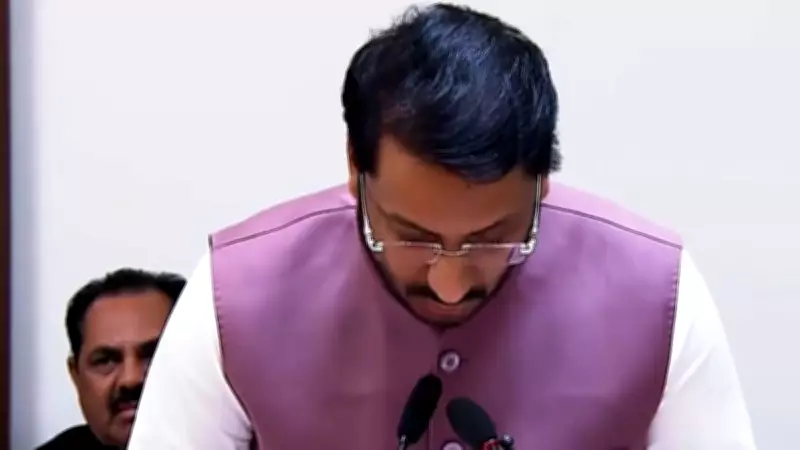
In a notable political development, Parth Pawar, the son of Maharashtra's Deputy Chief Minister Ajit Pawar, has been sworn in as a member of the Rajya Sabha. This event marks a significant entry into national politics for the younger Pawar, continuing the family's long-standing legacy in Indian governance.
Details of the Swearing-In Ceremony
The oath-taking ceremony was conducted in the Rajya Sabha chamber, where Parth Pawar formally assumed his duties as a member of the Upper House of Parliament. The proceedings were overseen by the Chairman of the Rajya Sabha, ensuring adherence to constitutional protocols.
This induction is seen as a strategic move within the Nationalist Congress Party (NCP), to which the Pawar family belongs, potentially strengthening their influence in central politics. The event drew attention from political observers and media, highlighting the ongoing dynastic trends in Indian politics.

Background and Political Implications
Parth Pawar's entry into the Rajya Sabha comes at a time when the NCP is navigating complex alliances and power dynamics in Maharashtra and at the national level. As the son of a prominent political figure, his appointment is expected to bolster the party's representation and outreach efforts.
Analysts note that this move could signal a broader strategy by the Pawar family to consolidate their political base, especially with upcoming elections and policy debates on the horizon. The swearing-in has sparked discussions about youth representation and political succession in India.
Reactions and Future Outlook
Following the ceremony, reactions from political circles have been mixed, with supporters praising the inclusion of younger leaders and critics questioning the merits of dynastic politics. Parth Pawar is anticipated to focus on key issues such as agriculture, rural development, and youth empowerment during his tenure.
Looking ahead, his role in the Rajya Sabha will be closely watched as he navigates legislative responsibilities and party dynamics. This event underscores the evolving landscape of Indian politics, where family legacies continue to play a pivotal role in shaping governance.