Congress Leader Accuses Punjab's Ruling Party of Weaponizing Copyright Law to Silence Critics
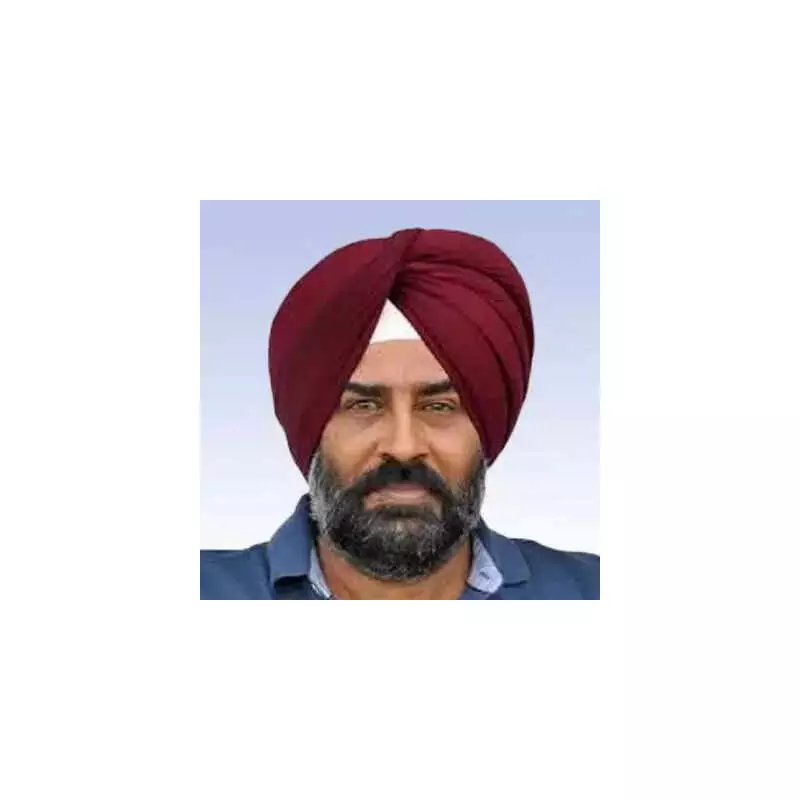
Senior Congress leader Pargat Singh has escalated concerns about digital censorship by writing urgent letters to both the Chief Election Commissioner of India and the Chief Electoral Officer of Punjab. In his formal communication, Singh has demanded immediate action and clear guidelines regarding what he describes as the systematic misuse of copyright claims by Punjab's ruling political party to suppress critical voices across social media platforms.
Allegations of Copyright Strike Abuse Against Independent Media
In his detailed letter, Pargat Singh specifically identified the Aam Aadmi Party (AAP) as the political entity allegedly employing copyright-strike notices from its official Facebook page to target and shut down independent web channels and Facebook pages that have been questioning government policies and performance. The Congress leader presented evidence suggesting that the party has been utilizing images of Chief Minister Bhagwant Singh Mann and photographs of Punjab Vidhan Sabha interiors—materials produced and owned by the state government—to issue copyright takedown requests against political critics and independent journalists.
Singh cited concrete instances where Facebook pages operated by independent web channels and journalists faced removal following these copyright strikes. He emphasized that these actions represent a dangerous precedent where government-owned content is being weaponized for political advantage, particularly during the sensitive election period.
Fundamental Concerns About Free Speech and Electoral Fairness
"These actions raise grave concerns about the misuse of official government media and copyright law to silence dissent," Pargat Singh wrote in his letter. He has specifically sought urgent clarification from the Election Commission on whether a political party, even one holding power, can legitimately use copyright claims on government-owned content to block or censor criticism.
The Congress leader underlined that in today's social media era, maintaining a level playing field and protecting free speech are paramount democratic principles. His letter poses critical questions about whether such conduct violates:
- Established election laws and regulations
- The Model Code of Conduct
- Principles of electoral fairness and non-discrimination
Singh further argued that the affected channels and pages were targeted specifically because they offered criticism of the government, suggesting that using copyright claims in this manner appears intentionally designed to silence legitimate political discourse rather than protect intellectual property.
Legal and Constitutional Implications of Copyright Weaponization
Pargat Singh highlighted that this method of silencing critics is particularly concerning because it weaponizes copyright law—a civil and legal remedy intended to protect creative works—for purposes of political censorship. His letter noted that even Supreme Court rulings on media freedom have emphasized that the takedown of news and speech critical of the government constitutes a serious matter with constitutional implications.
The Congress leader referenced precedents on electoral fairness, noting that opposition parties have previously protested against the display of photographs of ministers and political functionaries in government buildings as violations of the "level playing field" principle. He argued that using government-owned content to suppress political opponents might similarly distort electoral fairness and democratic processes.
Election Commission Directives and Legal Framework
The letter drew specific attention to Election Commission directives concerning the responsible and ethical use of social media during elections. Singh cited directions issued in May 2024 that explicitly aim to ensure a level playing field among all political stakeholders in the digital arena.
His communication referenced multiple legal frameworks governing online conduct during elections, including:
- The Information Technology Act and related Intermediary Rules
- Relevant sections of the Indian Penal Code
- The Representation of the People Acts
- The Model Code of Conduct
Pargat Singh asserted that using government resources or official content to disadvantage political rivals fundamentally violates principles of fair play and non-discrimination. He has called for immediate intervention by the Election Commission to safeguard free speech, protect press freedom, and ensure electoral fairness remains uncompromised in Punjab's political landscape.
The Congress leader's letter represents a significant escalation in the ongoing debate about digital rights, political censorship, and electoral integrity in India, particularly as social media platforms become increasingly central to political discourse and campaigning.