Owaisi's Delhi Rally Draws Massive Crowd, Sparks Political Debate
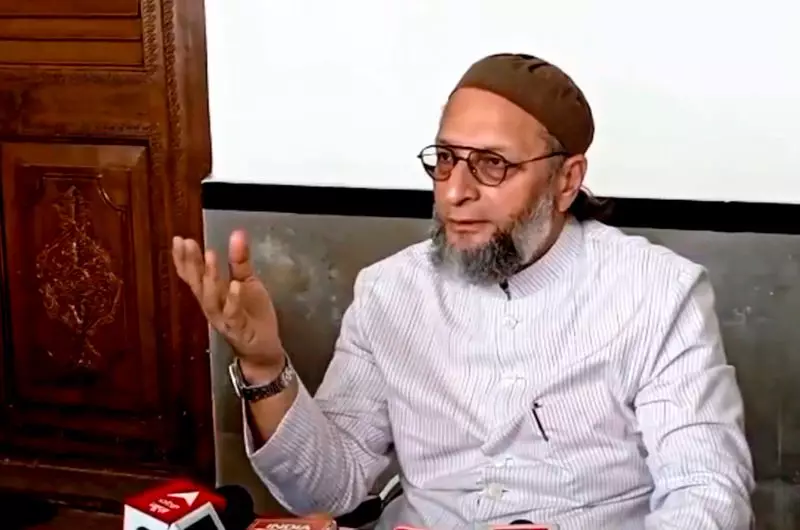
AIMIM president Asaduddin Owaisi held a significant public meeting in Delhi recently. The event attracted a large number of supporters. This gathering has generated considerable discussion within political circles.
Key Observations from the Rally
Political analysts noted several important aspects of the rally. The turnout demonstrated Owaisi's ability to mobilize voters in the national capital. His speech focused on issues affecting minority communities and broader social justice themes.
Observers pointed out that the event's scale surprised many political watchers. It showed the AIMIM's growing organizational strength in northern India. The party traditionally has its base in southern states like Telangana and Maharashtra.

Implications for Opposition Unity
The rally's success raises questions about opposition coordination. Several opposition parties aim to challenge the ruling BJP in upcoming elections. Owaisi's independent mobilization effort highlights potential fragmentation within this bloc.
Political strategists suggest the event reveals three main challenges for opposition parties:
- Voter outreach gaps in certain demographic segments
- Difficulty in presenting a unified alternative narrative
- Competition for similar voter bases among opposition groups
Regional Expansion Strategy
AIMIM appears to be pursuing an active expansion strategy beyond its traditional strongholds. The Delhi rally represents part of this northward push. Party workers have been increasing their activities in several northern states over recent months.
This expansion comes at a time when opposition space appears contested. The rally's timing before important elections adds to its political significance. Owaisi's direct appeal to voters bypasses traditional opposition coalition structures.
Broader Political Context
The event occurs against the backdrop of ongoing opposition efforts to consolidate anti-BJP votes. Several parties have attempted to form alliances and common platforms. Owaisi's independent mass mobilization suggests alternative approaches exist.
Political commentators emphasize that such events force opposition parties to reevaluate their strategies. They must consider how to address the constituencies that respond to Owaisi's messaging. The rally demonstrates that voter allegiances remain fluid in many areas.
As election preparations intensify, all political actors will likely study this development carefully. The lessons from Owaisi's Delhi show could influence campaign approaches across party lines. The coming months will reveal how opposition groups adapt to these political realities.