

Opposition Weighs Unprecedented Move to Oust Lok Sabha Speaker Om Birla
In a dramatic escalation of parliamentary tensions, opposition parties under the India bloc are actively considering serving a notice for the removal of Lok Sabha Speaker Om Birla from his chair. High-level discussions among opposition leaders took place on Monday, signaling a potential deepening of the rift between the ruling coalition and the opposition benches.
Notice Gains Momentum with Over 100 MP Signatures
Sources within the opposition have revealed that a notice circulated during the day has already garnered signatures from more than 100 Members of Parliament. This move is grounded in Article 94(c) of the Constitution, which stipulates that the Speaker can be removed by a resolution passed by the Lok Sabha, requiring a 14-day advance notice. The opposition has called for another meeting on Tuesday morning to finalize their stance, particularly regarding the timing of this bold initiative.
Government Dismisses Opposition's Plan as Lacking Numbers
Parliamentary Affairs Minister Kiren Rijiju responded to the opposition's strategy with apparent unconcern, asserting that they lack the necessary numerical strength to successfully pass such a resolution. He made light of the plan, suggesting it is more symbolic than substantive. However, a potential resolution to this extreme step could hinge on the Speaker's response to opposition demands expected on Tuesday.

Key Opposition Leaders Meet Speaker After House Adjournment
Following the premature adjournment of the Lok Sabha on Monday amid protests, a delegation of prominent opposition figures, including Rahul Gandhi, T R Baalu of the DMK, Akhilesh Yadav of the Samajwadi Party, and Abhishek Banerjee of the Trinamool Congress, met with Speaker Om Birla. This meeting underscored the gravity of the situation and the opposition's determination to address their grievances directly.
Grievances Fueling the Opposition's Move
The opposition's complaints are multifaceted and have been simmering for some time. Key issues include:
- Lack of action against BJP MP Nishikant Dubey for his controversial remarks.
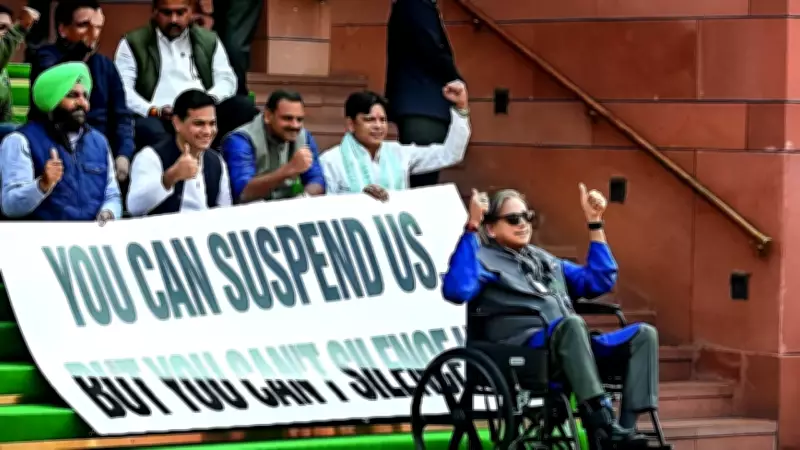
- Suspension of opposition members from parliamentary proceedings.
- Allegations that women MPs posed a threat to the Prime Minister, which the opposition claims have been inadequately addressed.
These grievances have been exacerbated by the ongoing logjam in the Lok Sabha, particularly the repeated refusal to grant permission for Leader of the Opposition Rahul Gandhi to speak.
Strategy Session Highlights Divisions and Consensus
During a strategy meeting of India bloc partners, a senior Congress leader proposed a "no confidence" resolution against the Speaker, which received general approval from the gathering. However, Trinamool Congress MP Shatabdi Roy indicated she would need to consult with party supremo Mamata Banerjee before committing, highlighting some internal divisions. The Trinamool Congress also suggested that the Speaker first be presented with a formal letter detailing the grievances, but did not outright reject the proposal once it was accepted, as noted by an opposition leader.
Broad Opposition Participation in Discussions
The meeting saw participation from a wide array of opposition leaders, including:
- Mallikarjun Kharge and Rahul Gandhi from the Congress.
- Ramgopal Yadav and Dharmendra Yadav representing the Samajwadi Party.
- John Brittas of the CPI(M).
- N K Premachandran of the Revolutionary Socialist Party.
- T R Baalu from the DMK.
- Sanjay Raut of the Shiv Sena.
- K C Venugopal, Kodikunnil Suresh, and Manickam Tagore from the Congress.
- Mian Altaf of the National Conference.
Notably, the Nationalist Congress Party was absent from the discussions. As of Monday evening, the notice with over 100 signatures was still pending signatures from the Trinamool Congress and Samajwadi Party, indicating ongoing negotiations.

Historical Context and Precedents
This is not the first time the opposition has contemplated such a move against a presiding officer. They previously discussed a no-confidence motion against then Rajya Sabha Chairman Jagdeep Dhankhar for several months, though it materialized much later. Sources indicate that while the matter was intensely debated in the morning, a possible resolution was not ruled out. The situation gained further momentum after Rahul Gandhi was denied permission to speak at noon, prompting swift consultations among opposition parties that reinforced the plan to pursue the notice against Speaker Birla.
The unfolding developments mark a critical juncture in India's parliamentary democracy, with the opposition's move potentially setting the stage for a significant confrontation in the Lok Sabha. The outcome of Tuesday's meeting and the Speaker's response will be closely watched as indicators of future parliamentary dynamics.





