Opposition Coalition Calls for Urgent Parliamentary Discussion on Key Ministries
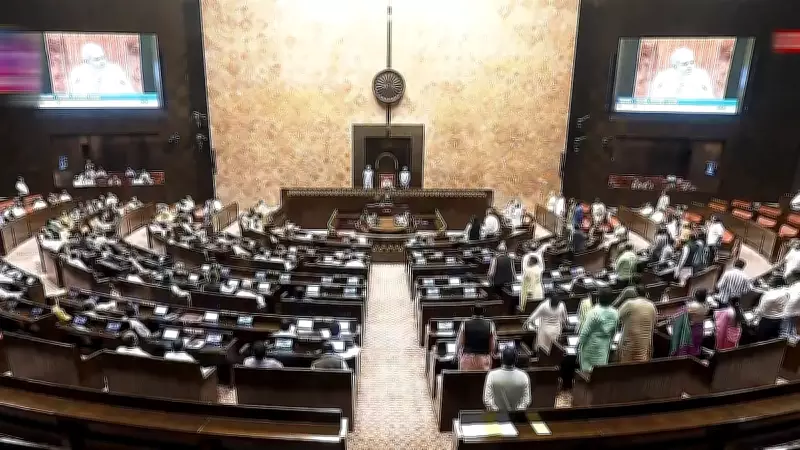
In a significant political development, Members of Parliament from all major opposition parties have united to formally demand a comprehensive discussion in the Rajya Sabha. The focus of their request is centered on two critical government portfolios: the Ministry of Commerce and Industry and the Ministry of External Affairs. This collective move underscores a growing push for greater parliamentary scrutiny of these long-overlooked areas of governance.
Formal Letter Highlights 16-Year Gap in Parliamentary Debate
The demand was articulated through a formal letter, which has been signed by prominent leaders representing the entire spectrum of the opposition. The document explicitly points out a startling parliamentary oversight: neither the Commerce Ministry nor the Ministry of External Affairs has been the subject of a dedicated discussion in the Upper House of Parliament for the past 16 years. This extended period without debate raises serious questions about the depth of legislative oversight and accountability concerning these vital sectors of national policy and international relations.
The opposition's letter emphasizes the critical importance of these ministries in shaping India's economic trajectory and global standing. With the Commerce Ministry overseeing trade policies, industrial growth, and international commerce agreements, and the Ministry of External Affairs managing diplomatic relations, foreign policy, and international cooperation, their operations have profound implications for the country's development and security. The absence of a structured parliamentary debate on their performance and strategies is viewed as a significant democratic deficit.

Strategic Implications and Political Context
This initiative is not merely a procedural request but a strategic political maneuver aimed at holding the government accountable. By highlighting this 16-year gap, the opposition seeks to frame the current administration as potentially evading detailed parliamentary examination on matters of substantial national interest. The demand for a discussion on either ministry provides flexibility, suggesting that the opposition is prepared to engage on multiple fronts of governance, whether economic or diplomatic.
The timing of this demand is particularly noteworthy, as it comes amidst ongoing parliamentary sessions where legislative business and debates are in full swing. It signals the opposition's intent to prioritize substantive policy discussions over partisan politics, at least in this instance. The move also reflects a broader trend of opposition unity on specific issues, demonstrating a coordinated effort to challenge the government's agenda and ensure robust democratic checks and balances.
Potential Outcomes and Parliamentary Dynamics
If the demand is accepted, a Rajya Sabha discussion on either the Commerce Ministry or the Ministry of External Affairs could lead to several outcomes:
- Enhanced Transparency: A detailed debate would compel the government to present comprehensive reports on the ministries' achievements, challenges, and future plans.
- Policy Scrutiny: Opposition MPs would have a platform to question policies, raise concerns, and suggest alternatives, fostering a more informed legislative environment.
- Public Awareness: Such discussions often garner media attention, increasing public awareness and engagement with issues of trade, industry, and foreign affairs.
The response from the ruling party and the Rajya Sabha Chairman will be crucial in determining whether this discussion materializes. Historically, such demands can lead to negotiations between the government and opposition, potentially resulting in a scheduled debate or, in some cases, procedural delays. Regardless of the immediate outcome, this action by opposition MPs has successfully brought attention to a long-standing gap in parliamentary oversight, setting the stage for future accountability measures.

In conclusion, the united front presented by opposition MPs in demanding a Rajya Sabha discussion on the Commerce Ministry or Ministry of External Affairs marks a pivotal moment in Indian parliamentary politics. By highlighting a 16-year absence of debate, they have underscored the need for continuous and rigorous examination of key government functions, reinforcing the principles of democratic governance and legislative responsibility.