Obamas Sidestep Controversial Trump Post, Rally Behind US Olympic Athletes
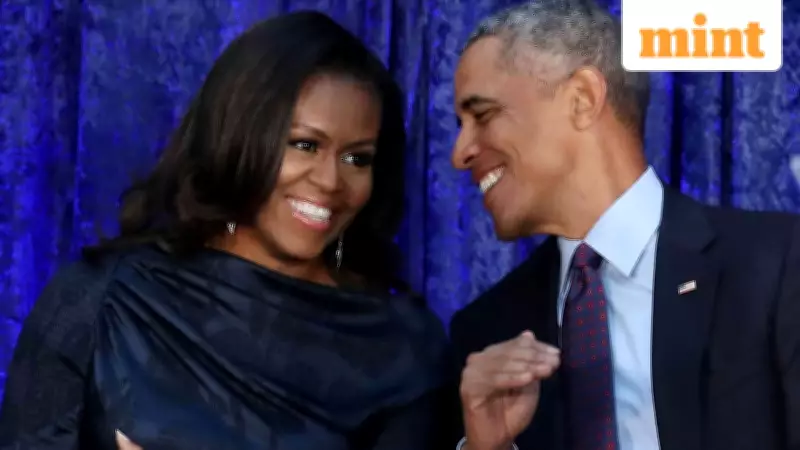
Former President Barack Obama and former First Lady Michelle Obama have chosen not to directly address a racist social media video shared by President Donald Trump that portrayed them using artificial intelligence-generated imagery as apes. Instead, the high-profile couple shifted the national conversation toward unity and athletic achievement by publicly expressing their support for American competitors at the 2026 Winter Olympics in Italy.
Olympic Encouragement Amidst Political Firestorm
On February 6, as the Milano Cortina 2026 Games commenced, Barack Obama took to social media platform X to share an uplifting message directed at Team USA athletes. "To all the athletes representing @TeamUSA: I'm so proud of you," Obama wrote with genuine enthusiasm. "Your talent and perseverance have brought you to this moment, and Michelle and I will be joining Americans from across the country cheering you on."
This public show of support for Olympic competitors arrived precisely one day after a controversial video surfaced on Trump's Truth Social account, triggering immediate and widespread condemnation across political lines.

AI-Generated Racist Imagery Sparks Bipartisan Backlash
The offensive video, posted late on February 5 and early February 6, utilized artificial intelligence technology to superimpose the faces of Barack and Michelle Obama onto the bodies of apes within what appeared to be a jungle environment. This brief but deeply troubling segment formed part of a longer approximately one-minute clip that initially focused on allegations of voter fraud before transitioning to the racist depiction.
Critics from both major political parties swiftly denounced the content as blatantly racist and unacceptable. Republican lawmakers joined their Democratic counterparts in expressing outrage, creating a rare moment of bipartisan agreement regarding the offensive nature of the post.
White House Provides Conflicting Explanations
The White House response to the growing controversy proved inconsistent and confusing. Initially, Press Secretary Karoline Leavitt dismissed mounting criticism by claiming the video represented nothing more than an internet meme depicting Trump and Democratic figures as characters from the animated film The Lion King. "Please stop the fake outrage," Leavitt stated during her initial remarks.
However, approximately twelve hours after the video's publication, it was removed from Trump's social media account. A subsequent White House official offered a different explanation, stating that an unidentified staff member had posted the controversial content in error without proper review.
Senator Tim Scott Delivers Strong Condemnation
Senator Tim Scott of South Carolina, a close political ally of Donald Trump and the only Black Republican serving in the United States Senate, reacted with particular intensity to the offensive post. "I was praying it was fake because it's the most racist thing I've seen out of this White House," Scott wrote in a powerful public statement.
The senator later demanded the immediate removal of the video, prompting President Trump to personally telephone Scott to discuss the matter directly. This intervention highlighted the seriousness with which even Trump's supporters viewed the racially charged imagery.
Trump Claims Limited Knowledge of Video Content
While traveling aboard Air Force One to Florida on February 6, President Trump addressed reporters' questions about the controversial post. He insisted he had not viewed the complete video before it was shared on his social media account. "I spoke to Tim Scott. He was great. Tim is a great guy. He understood that 100%," Trump stated regarding their conversation.
"I didn't see the whole thing," the president added during his remarks. "I guess during the end of it there was some kind of a picture that people don't like. I wouldn't like it either." Trump emphasized that he had only watched the opening portion of the video, which focused on claims of voter fraud in Georgia. "I liked the beginning," he remarked. "I didn't see it. I looked at the first part."

No Apology Offered Despite Mounting Pressure
Despite calls from numerous Republican lawmakers for a formal apology, President Trump remained steadfast in his refusal to acknowledge any personal responsibility for the offensive content. "No, I didn't make a mistake," he declared unequivocally. "I mean, I look at a lot of — thousands of things. I looked at the beginning of it, it was fine."
When journalists pressed Trump on whether he specifically condemned the racist imagery contained within the video, he responded, "Of course I do," while simultaneously maintaining that he bore no fault in the matter. This defensive posture contrasted sharply with the bipartisan condemnation the video had received and the Obamas' decision to focus public attention on Olympic athletes rather than engage directly with the controversy.
The incident highlights ongoing tensions in American political discourse while demonstrating how public figures choose different strategies when responding to racially charged attacks. The Obamas' Olympic-focused message represents a deliberate pivot toward national unity and athletic achievement, while the video controversy reveals deep divisions regarding appropriate political communication in the digital age.