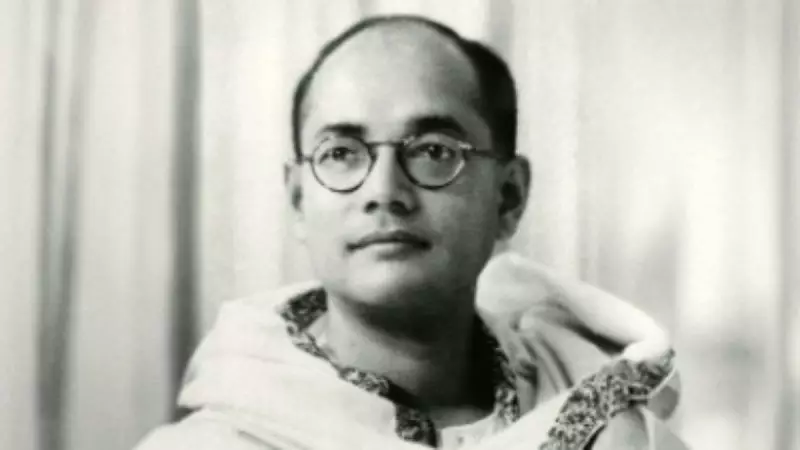
The Enduring Enigma of Netaji Subhas Chandra Bose's Disappearance
As India commemorates the birth anniversary of the iconic freedom fighter Netaji Subhas Chandra Bose, the profound mystery surrounding his disappearance continues to captivate the nation. The official narrative states that Bose perished in a plane crash in Taipei on August 18, 1945, but this account has been persistently challenged by numerous theories and eyewitness claims. Among the most compelling and debated hypotheses is the connection to a mysterious ascetic known as Gumnami Baba, who lived in secrecy in Uttar Pradesh for decades.
Who Was Gumnami Baba?
Gumnami Baba, meaning "the saint with no name," was a reclusive figure who resided in Faizabad and later in Ayodhya from the 1970s until his death in 1985. He led an extremely secluded life, avoiding public appearances and communicating primarily through written notes. His true identity remains shrouded in secrecy, but several individuals who encountered him, including some of Bose's family members and former Indian National Army (INA) associates, have suggested he bore a striking resemblance to Netaji. Notably, he possessed items such as German-made spectacles, books on Bose, and other personal artifacts that fueled speculation about his origins.
Theories Linking Gumnami Baba to Netaji
Several theories have emerged over the years, proposing that Gumnami Baba was, in fact, Subhas Chandra Bose living under an assumed identity. Proponents of this theory argue that Bose survived the plane crash and chose to live incognito to avoid political repercussions or to continue his work discreetly. Key points supporting this include:

- Physical Resemblance: Eyewitness accounts describe Gumnami Baba as tall, fair-skinned, and bearing a close likeness to Bose, with similar facial features and demeanor.
- Possessions and Interests: He was found with belongings linked to Bose, such as photographs, letters, and literature related to the freedom struggle, suggesting a deep personal connection.
- Behavioral Patterns: His reclusive nature and avoidance of public scrutiny align with the idea of someone hiding a significant past, possibly to protect himself or his legacy.
However, skeptics dismiss these claims as coincidental or based on unreliable testimony, pointing to a lack of concrete evidence like DNA proof or verifiable documents.
Other Theories on Netaji's Disappearance
Beyond the Gumnami Baba hypothesis, multiple other theories have circulated regarding Bose's fate. Some suggest he died in the plane crash as officially reported, while others propose he escaped to the Soviet Union or lived in exile in Southeast Asia. Government inquiries, such as the Mukherjee Commission, have investigated these possibilities but failed to reach a definitive conclusion, leaving the mystery unresolved. The enduring fascination with Netaji's disappearance reflects his monumental role in India's independence movement and the desire for closure among his admirers.
Legacy and Ongoing Debates
On his birth anniversary, the debate over Netaji Subhas Chandra Bose's disappearance serves as a reminder of his indelible impact on Indian history. Whether Gumnami Baba was indeed Bose or merely a lookalike, the theories highlight the public's enduring interest in uncovering the truth. As researchers and historians continue to explore archival materials and testimonies, the quest for answers persists, keeping Netaji's legacy alive in the collective memory of the nation.