Mumbai's Corporators Return: Key Projects Back in Focus After Administrator Rule
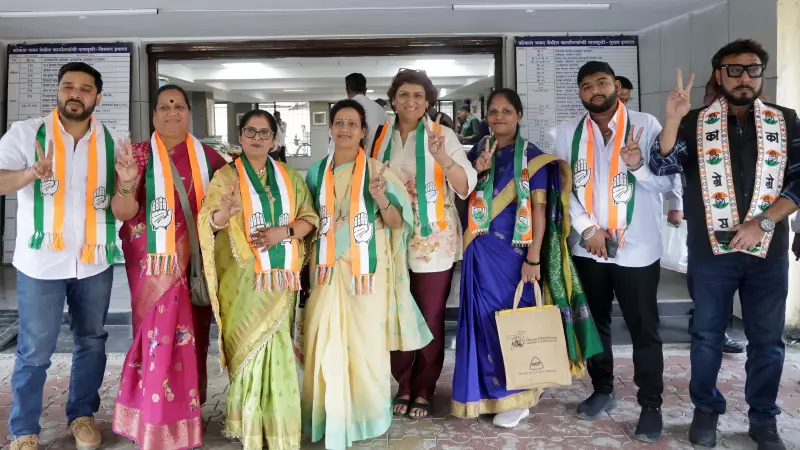
After nearly four years under administrator rule, elected corporators are set to return to Mumbai's planning table on January 31, marking a significant shift in the city's governance. This move will see local representatives take charge of key development projects, ranging from flood management to large-scale water augmentation and desalination initiatives, shaping Mumbai's growth at both ward and city levels.
Shift from Administrator Rule to Localised Governance
Since the civic body dissolved in March 2022, the municipal commissioner has overseen policy decisions and project execution. The return of corporators heralds a transition back to a more localised approach. Each corporator will be allocated Rs 1.6 crore annually to address hyper-local issues such as water supply, sanitation, beautification, and greening. Additionally, they will propose larger infrastructure projects, including new bridges and water pipelines, ensuring community needs are met effectively.
Major Infrastructure Projects on the Agenda
With the new body set to be sworn in next week, several ongoing big-ticket infrastructure projects are likely to remain top priorities. These initiatives are crucial for Mumbai's development and have been highlighted in various party manifestos ahead of the civic polls.

Road Concretisation Project
The concretisation project, which aims to make Mumbai pothole-free, is nearly 40 percent complete. Announced in 2022 by former Chief Minister Eknath Shinde, this mega plan involves a Rs. 17,000 crore project to concretise 700 km of roads across the city. Phase I targets 320 km, while Phase II proposes 378 km. Mumbai's road network spans 2,050 km, with 1,333 km already concretised. Of the 2,121 roads under this plan, 815 have been completed, and civil work is in progress on 625 roads.
Despite criticism for inconveniencing citizens due to frequent digging, the plan is set to continue. To mitigate concerns, proposals include constructing utility tunnels throughout the city to streamline maintenance and reduce disruptions.
Improving Flood Resilience
Plans to make Mumbai 'flood-free' are gaining traction, with a focus on technology-based solutions from Japan, developed by IIT and VJTI institutes. The goal is to achieve this within five years through rainwater harvesting and percolation methods. A study group comprising former BMC officials and IIT experts will analyze the city's topography and rainfall intensity to identify effective solutions.
Additionally, efforts will be made to upgrade the aging storm water drainage system and complete pending works under the BRIMSTOWAD-2 project, enhancing the city's ability to handle monsoon challenges.
Gargai Dam and Desalination Plant: Enhancing Water Supply
Addressing water woes is a key agenda, with plans to boost supply from 3,800 MLD to 4,700 MLD. The Mahayuti alliance emphasizes completing Gargai, Pinjal, and other new dams over the next five years, alongside constructing a desalination plant at Gorai. This issue resonates across party lines, with Congress supporting Gargai dams and Shiv Sena (UBT)-MNS advocating for desalination plants.
The BMC has already initiated work on two 200 MLD desalination plants in Manori and Versova, with proposals floated in 2019 and August 2025, respectively. A Rs. 3,000 crore tender for the Gargai dam was issued in December 2025, indicating significant progress in water infrastructure development.
Boost to Public Transport: BEST Initiatives
The Mahayuti manifesto prioritizes augmenting public transportation, particularly BEST services. Proposals include a fare cut of up to 50 percent for women and increasing the bus fleet from 5,000 to 10,000 to reduce crowding. The BEST committee, a key statutory body of the BMC with 17 members, is set to resume proceedings in February, focusing on revitalizing the financially strained transportation system.

Pedestrian Infrastructure and Hawkers Policy
Beyond large projects, corporators across parties stress the need for better footpath infrastructure. The government plans to develop footpaths using concrete blocks under the 'Pedestrian First' plan, with a Rs. 100 crore allocation in the FY 2025-2026 budget. Additionally, a hawkers policy will be fast-tracked to rehabilitate registered street vendors in specified zones, ensuring clear and safe pathways for pedestrians.
As Mumbai's corporators return, their focus on these critical projects promises to drive sustainable growth and improve quality of life for residents, marking a new chapter in the city's urban development journey.