MP Su Venkatesan Appeals to Union Minister to Revoke Post Office Regulations 2024
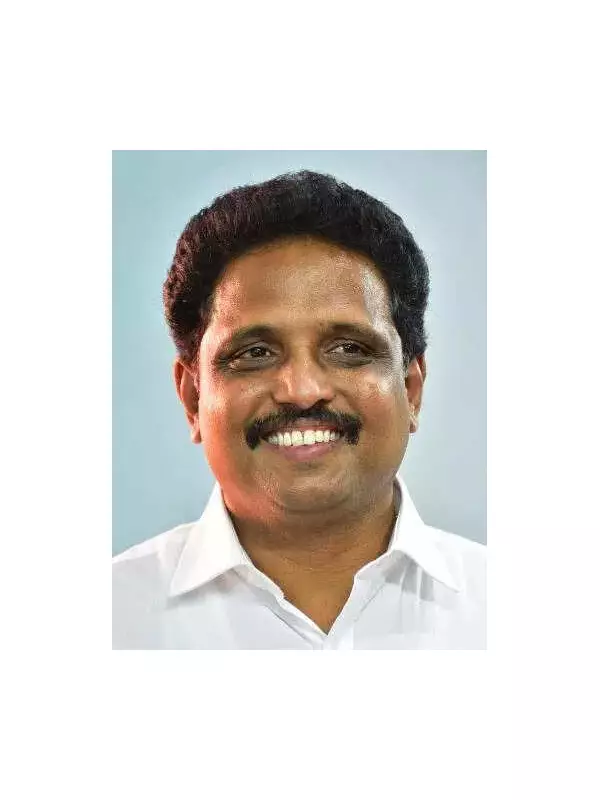
Madurai MP Su Venkatesan has formally written to Union Minister for Communications Jyotiraditya M. Scindia, urging the immediate withdrawal of the recently introduced Post Office Regulations 2024. In his letter, Venkatesan expressed deep concerns that the new postal framework is creating severe operational and financial challenges for small and medium-sized publishers across India. He warned that these regulations threaten the very existence of numerous journals that have long served as vital platforms for democratic discourse and constitutional values.
Critical Changes Under the New Postal Framework
According to the detailed letter, the Post Office Regulations 2024 have introduced a classification system that significantly alters the postal benefits available to publishers. Under the new rules, only journals published within a seven-day interval are now considered registered newspapers. Publications with intervals longer than seven days are reclassified under the periodical post category, resulting in the denial of postal concessions they have historically enjoyed.
Venkatesan highlighted that this reclassification has led to a dramatic increase in postal costs for many publishers. He provided a specific example: a journal weighing 200 grams now incurs a postal fee of 9 rupees per copy, whereas previously the same journal was sent at a highly concessional rate of just 95 paise. This represents an additional cost of 8.05 rupees per copy, a burden that many non-profit, public welfare journals simply cannot sustain.

Financial and Social Impacts of the Regulations
The MP outlined several critical impacts of these regulatory changes:
- Increased Operational Costs: The shift from concessional rates to standard postal fees has exponentially raised distribution expenses for publishers.
- Loss of Historical Concessions: The denial of long-standing postal benefits undermines the financial viability of many journals.
- Severe Financial Burden: Non-commercial journals engaged in public welfare journalism are particularly hard-hit, as they operate on limited budgets.
- Threats to Livelihoods: The sustainability of numerous publishing ventures and the jobs they support is now at risk.
Venkatesan emphasized that the Indian government has historically provided postal concessions recognizing information dissemination as an essential public service. He acknowledged that while the current regulations might have been introduced for administrative streamlining, their unintended consequences are dire. The MP argued that these rules threaten to shut down countless journals that have contributed significantly to social awareness, democratic engagement, and nation-building for decades.
A Call to Preserve Democratic Discourse
In his appeal to Minister Scindia, Venkatesan stressed the crucial role that journals play in strengthening democracy and upholding constitutional values. He called for a reconsideration of the regulations to ensure that small and medium publishers can continue their vital work without being crippled by unsustainable postal costs. The MP's letter underscores the broader concern that policy changes in postal services must balance administrative efficiency with the need to support diverse voices in India's media landscape.