PM Modi Highlights Foreign Policy Success Amid West Asia Tensions
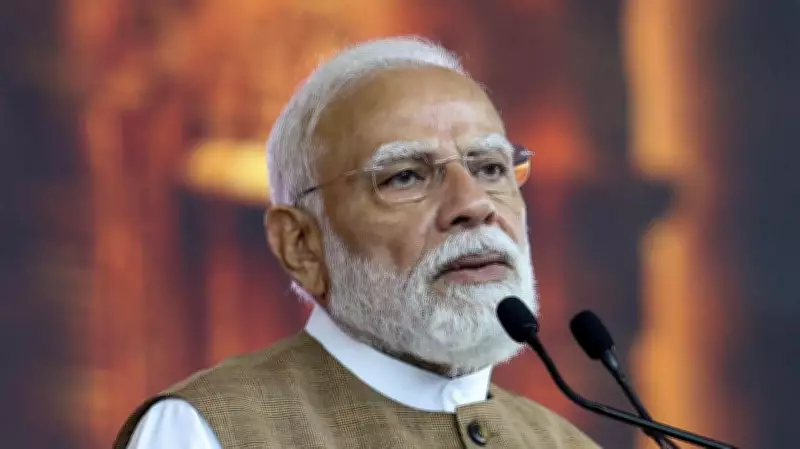
Prime Minister Narendra Modi has declared that the situation in the ongoing West Asia conflict remains under control for India, attributing this stability directly to the nation's successful and robust foreign policy. Speaking on March 31, 2026, Modi emphasized that strategic diplomatic efforts have shielded the country from external turmoil, ensuring national security and economic interests are protected.
Sharp Criticism of Opposition as 'Political Vultures'
In a strongly worded address, Modi launched a scathing attack on the opposition, specifically targeting the Congress party. He labeled its leaders as "political vultures" who are exploiting the crisis for partisan gain. Modi alleged that instead of uniting the nation during challenging times, Congress figures are actively "dividing the nation during a crisis", thereby undermining collective resilience and public morale.
Context of the West Asia Conflict and India's Stance
The West Asia region has been experiencing heightened geopolitical tensions, with conflicts impacting global stability. Modi's remarks come as India navigates these complex international dynamics, with the government asserting that its foreign policy framework—focusing on strategic autonomy and bilateral partnerships—has effectively managed risks. This approach, according to Modi, prevents the conflict from spilling over into domestic affairs, maintaining peace and order within India's borders.

Political Implications and Reactions
Modi's comments have ignited a fresh political debate, with analysts noting several key points:
- The Prime Minister's focus on foreign policy achievements aims to bolster the government's image ahead of potential electoral challenges.
- The term "political vultures" is seen as a deliberate attempt to discredit the opposition by painting them as opportunistic rather than constructive.
- This rhetoric aligns with Modi's broader strategy of contrasting his administration's decisive leadership with what he portrays as the opposition's divisive tactics.
Observers suggest that such statements are part of a larger narrative to reinforce national unity under the current leadership while marginalizing political rivals. The Congress party has yet to issue an official response, but internal sources indicate plans to counter these allegations by highlighting their own contributions to national discourse during crises.
Broader Impact on Indian Politics and Diplomacy
This development underscores the intersection of domestic politics and international affairs in India. Modi's assertion that foreign policy success ensures crisis control may resonate with voters who prioritize security and stability. However, critics argue that politicizing a sensitive international issue could detract from substantive policy discussions. As the West Asia conflict evolves, India's diplomatic maneuvers will continue to be scrutinized, with Modi's leadership style playing a central role in shaping public perception and political outcomes.