Meghalaya Coal Mine Tragedy: Death Toll Climbs to 27 as Rescue Efforts Intensify
The devastating coal mine explosion in Meghalaya's East Jaintia Hills district has claimed more lives, with the official fatality count now reaching 27 workers. This tragic update comes after National Disaster Response Force (NDRF) search teams successfully recovered two additional bodies from the disaster site over the weekend, according to official statements from NDRF authorities.
Search Operations Continue Amidst Growing Tragedy
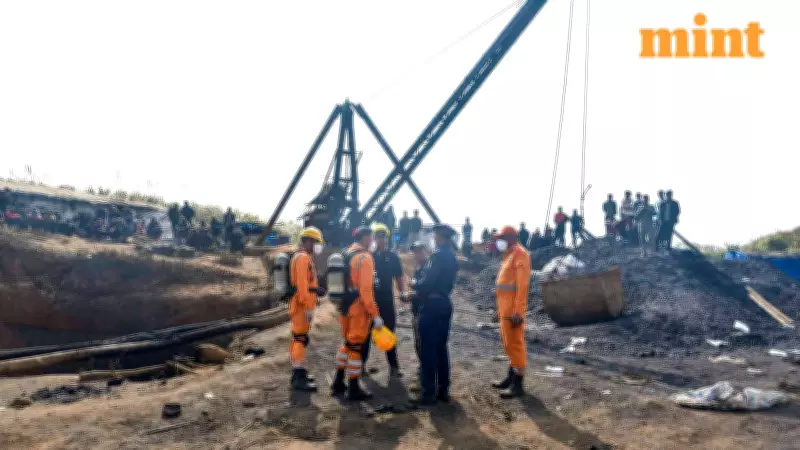
NDRF official HPS Kandari confirmed to ANI that rescue personnel have retrieved the remains of two more victims, bringing the total recovery count to 27 deceased workers. "As per the information of the district administration, 18 bodies were recovered on February 5, four bodies were recovered on February 6 and two bodies were recovered on Saturday," Kandari stated, providing a detailed breakdown of the grim discoveries.
Three dedicated NDRF teams remain actively engaged in ongoing search and rescue operations at the disaster location, working tirelessly to locate the remaining laborers still trapped underground. Police officials have confirmed that several individuals remain missing, and rescue teams are continuing their efforts to find them amidst challenging conditions.

High-Level Response and Investigation Launched
The tragedy has prompted responses from the highest levels of government. President Droupadi Murmu expressed her profound sorrow over the deaths in the East Jaintia Hills district mining disaster, describing the event as "heart-wrenching" in a social media post on X. "It is painful to hear about the loss of lives of workers in an unfortunate accident in the East Jaintia Hills district of Meghalaya. I convey my heartfelt condolences to the bereaved families and pray for the early recovery of the injured," the President stated.
Prime Minister Narendra Modi announced financial relief measures from the Prime Minister's National Relief Fund (PMNRF), with ₹2 lakh allocated to each victim's family and ₹50,000 for those injured in the explosion. "Pained by the mishap in East Jaintia Hills, Meghalaya. Condolences to those who lost their loved ones. May the injured recover at the earliest," the Prime Minister expressed in his official statement.
Illegal Mining Operations Under Scrutiny
Meghalaya Chief Minister Conrad K Sangma revealed that the catastrophic incident occurred at an alleged unauthorized coal mining site in the Thangskai region of East Jaintia Hills. The regional administration has mandated a thorough investigation into the tragedy, with Sangma emphasizing that liability will be assigned and rigorous judicial proceedings will follow against the perpetrators.
Justice (retd) BP Katakey, who oversees compliance related to mining issues in the region, visited Thangsku and confirmed that illegal mining was being conducted on a substantial scale in the locality. This revelation adds significant context to the disaster and raises serious questions about regulatory oversight in the area.
Legal Proceedings and Ongoing Developments
Authorities have taken concrete legal steps in response to the tragedy. A suo motu FIR has been officially registered at Khliehriat police station under multiple legal provisions:
- The Bharatiya Nyaya Sanhita
- The Mines and Minerals (Development and Regulation) Act
- The Explosive Substances Act
Previously, Meghalaya Minister Lahkmen Rymbui confirmed that two individuals were detained during the active investigation into the tragedy. While specifics concerning the exact cause of the blast and the official names of all victims are still being established, the investigation continues to develop as rescue operations persist.
The coal mine explosion represents one of the most significant mining disasters in recent Meghalaya history, highlighting critical safety concerns in the region's mining sector. As families mourn their losses and authorities pursue justice, the focus remains on completing rescue operations and providing support to affected communities while ensuring such tragedies do not recur through improved regulation and enforcement.