Matua Belt Erupts in Panic and Anger as SIR Deletions Reignite Citizenship Fears
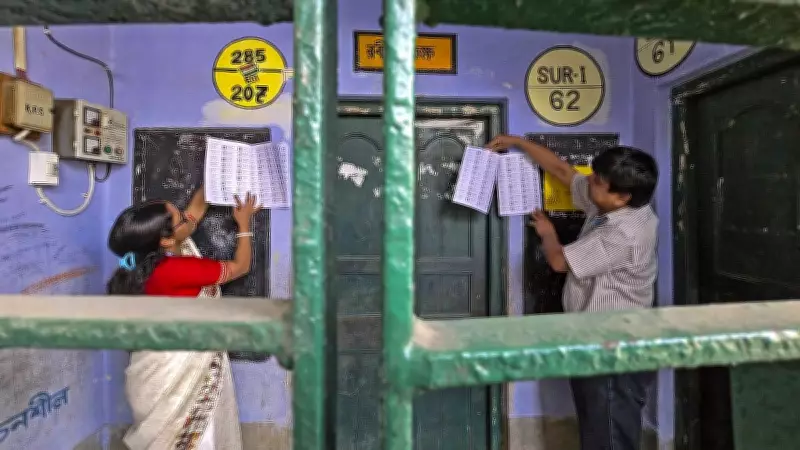
The Matua community in West Bengal is facing a wave of panic and anger following the deletion of thousands of names from electoral rolls under the Special Intensive Revision (SIR). This development has reopened deep-seated citizenship faultlines just ahead of the crucial state assembly elections, threatening to destabilize the political landscape in key constituencies.
Massive Scale of Deletions in Matua-Majority Seats
The sheer numbers involved highlight the significant scale of this administrative action. During the second phase of the revision process, the Dabgram-Fulbari constituency witnessed a staggering 16,491 deletions from the electoral list. Similarly, Bagda saw 15,303 names removed, while Kalyani recorded 9,037 deletions. All three of these seats are known for their substantial Matua population, making the impact particularly acute for this historically marginalized community.
The timing of these deletions has raised serious concerns among political observers and community leaders. With West Bengal gearing up for another intense electoral battle, the removal of such a large number of voters—predominantly from a single community—has sparked allegations of targeted disenfranchisement. Many Matua residents fear that these deletions could be a precursor to broader citizenship challenges, echoing the anxieties that surfaced during the National Register of Citizens (NRC) and Citizenship Amendment Act (CAA) debates.

Historical Context and Political Ramifications
The Matua community, originally refugees from present-day Bangladesh, has long been at the center of citizenship and identity politics in West Bengal. Their votes have historically played a decisive role in determining electoral outcomes in several districts. The current wave of SIR deletions has, therefore, not only caused personal distress but also ignited a political firestorm.
Community leaders have expressed outrage, arguing that the process lacks transparency and disproportionately affects Matua households. They claim that many of those deleted are legitimate Indian citizens who possess all necessary documentation but are now facing bureaucratic hurdles that could jeopardize their voting rights.
The political implications are profound. Major parties in West Bengal are now scrambling to address the issue, with opposition groups accusing the ruling administration of voter suppression, while the government defends the deletions as a routine cleanup of duplicate or erroneous entries. However, the concentration of these actions in Matua-dominated areas suggests a more complex narrative.
Broader Impact on Electoral Dynamics
As the election date approaches, the SIR deletions have introduced a new layer of uncertainty into West Bengal's political calculus. Key factors to consider include:
- The potential erosion of trust in the electoral process among Matua voters.
- Increased mobilization by community organizations to challenge the deletions legally and politically.
- A possible shift in voting patterns if citizens feel targeted or neglected by mainstream parties.
- The risk of the citizenship issue overshadowing other developmental agendas in the campaign.
Analysts warn that if not addressed promptly and fairly, this situation could lead to widespread protests and legal battles, further polarizing the electorate. The Matua community's response will be critical in shaping the electoral outcome, as their collective voice has the power to sway results in multiple constituencies.
In conclusion, the SIR deletions have struck a raw nerve in West Bengal's Matua belt, reopening old wounds related to citizenship and belonging. With the state polls looming, the resolution of this contentious issue will test the resilience of democratic institutions and the commitment of political leaders to inclusive governance. The coming weeks are likely to see intensified debates and actions as all stakeholders grapple with the fallout from these significant electoral list revisions.