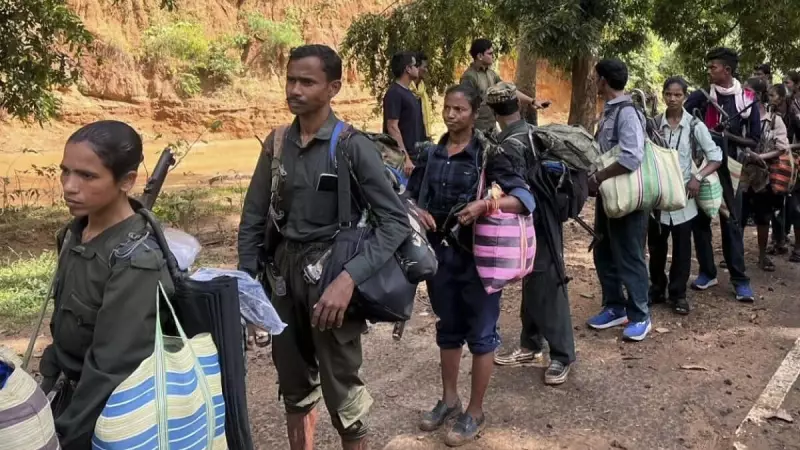
In a significant development, Maoist operatives in the MMC Region have unexpectedly moved forward their planned surrender date and instructed all cadres to immediately suspend military operations.
Changed Timeline and Operational Standstill
The Maoist group has taken the decisive step of advancing their surrender schedule, marking a potential turning point in the long-standing conflict. All cadre members have received direct orders to cease operational activities immediately, creating an unusual lull in what has been persistent guerrilla warfare.
This sudden shift in strategy comes as security forces had been intensifying counter-insurgency operations across affected regions. The move has sparked speculation among security analysts about the group's internal dynamics and future intentions.

PLGA Week Cancellation and Government Appeal
An MMC spokesperson has officially confirmed that the group will not observe PLGA Week this year, breaking from a long-standing tradition that typically involves heightened activities and propaganda efforts.
In a parallel request, the Maoist leadership has asked government security forces to reciprocate by halting all security operations during this period. This appeal for mutual de-escalation represents a notable departure from their usual stance of confrontation.
Potential Implications and Next Steps
The advanced surrender timeline and operational suspension could signal a major breakthrough in ongoing peace efforts. Security establishment sources are carefully monitoring the situation to verify whether these announcements will translate into concrete actions on the ground.
The developments dated November 28, 2025 mark one of the most substantial shifts in Maoist strategy in recent years. Both state governments and central security agencies are expected to formulate their response after assessing the authenticity and scope of these declarations.
Local communities in conflict-affected areas await further developments with cautious optimism, hoping this could lead to lasting peace and normalcy returning to their regions after decades of violence and instability.