Maharashtra's New Voting System Requires Multiple Votes in Municipal Polls
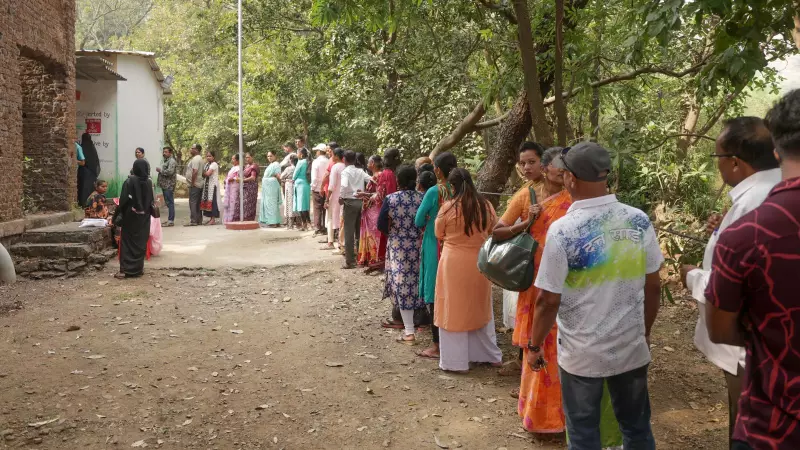
Voters across Maharashtra face a significant change in how they cast ballots during upcoming municipal corporation elections. While Mumbai continues with its familiar one-vote system, residents in 28 other cities must prepare to press the EVM button multiple times during a single visit to polling booths.
What Changes for Voters
The State Election Commission has implemented a multi-member ward system for most urban centers. This means each municipal ward now elects three or four corporators instead of just one. Voters in these wards must cast separate votes for each available seat during the January 15 elections.
Thane, Navi Mumbai, Nashik, and Pune are among the cities adopting this new approach. The system represents a clear departure from Maharashtra's traditional one-ward-one-corporator model that has governed municipal elections for decades.

How the Voting Process Works
Polling officials will guide voters through these steps:
- Verification: Election staff check voter names against electoral rolls, apply indelible ink, and issue voter slips as in national elections.
- Multiple Ballot Units: Inside polling booths, EVMs feature multiple ballot units displaying candidate names and symbols. More units are needed because more candidates contest in multi-member wards.
- Casting Votes: Once the EVM activates, voters press buttons sequentially. The machine prompts for second, third, and fourth votes where applicable. Each selection receives confirmation through audible beeps and VVPAT slips.
- Completion Requirement: Voting finishes only after all required votes are cast. The EVM does not finalize partial voting. In four-member wards, voters must cast all four votes or use NOTA for unwanted selections.
Why This System Was Introduced
Election authorities explain that multiple-member wards provide broader representation in densely populated urban areas. The system reduces ward numbers while maintaining proportional representation. It also allows voters to choose multiple representatives from their immediate locality.
However, critics voice concerns. They argue the format favors larger political parties capable of fielding complete candidate panels. Some also worry about increased voter confusion, particularly among those accustomed to casting single votes.
Mumbai's Special Status
Mumbai stands alone as Maharashtra's exception. The Brihanmumbai Municipal Corporation continues with single-member wards where each voter casts just one vote. Mumbai retains 227 wards electing 227 corporators under the traditional system.
This creates a unique situation where voting procedures differ significantly between Maharashtra's capital and other major cities. Voters traveling between regions must adjust to different electoral processes.
Practical Implications for Voters
Polling officials will explain the voting process but cannot suggest candidates or influence choices. Election authorities anticipate longer voting times during initial hours as voters familiarize themselves with the new system.
Voters may support all candidates from one party or split votes across different parties and independents. The NOTA option remains available for individual votes within the sequence.
Importantly, voters do not need to visit multiple booths. The system requires selecting multiple representatives from the same ward during a single voting session. All votes must be completed for the process to conclude properly.
Vote counting occurs on January 16, one day after polling. Election results will reveal how Maharashtra's voters adapt to this significant electoral change and whether the new system achieves its stated goals of broader urban representation.