Maharashtra Civic Polls Spark Controversy Over Election Commission Decisions
The recent municipal corporation elections in Maharashtra have thrust the State Election Commission into the spotlight. Voters and opposition parties are raising serious questions about the Commission's actions. They point to a series of decisions made after the election schedule was announced. These moves have sparked allegations of poor communication and a lack of transparency.
Polling Day Glitches and Ink That Rubbed Off
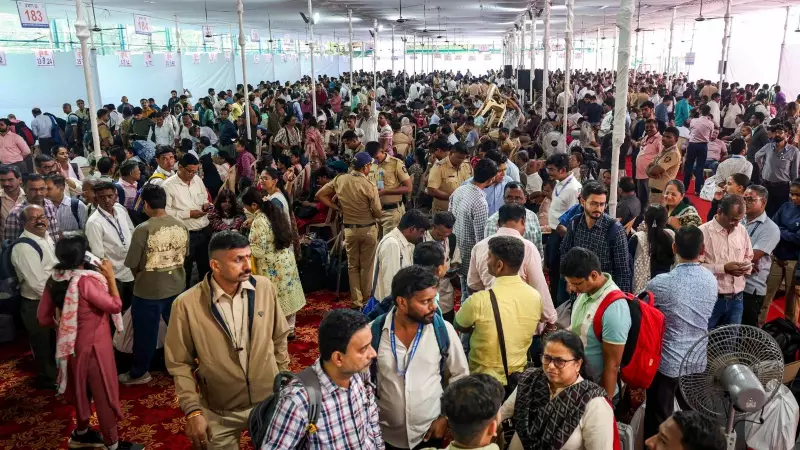
Polling day on Thursday saw multiple issues across 29 major urban centers. Over 3.48 crore voters were eligible to cast their ballots for 2,869 corporator seats. Many voters reported being denied their right to vote. Some could not find their names on voter lists at familiar booths. Senior leaders like BJP minister Ganesh Naik faced this problem. He eventually voted after official intervention, but many ordinary citizens were not so lucky.
A major controversy erupted over the indelible ink. Voters complained that the ink applied with marker pens was easily smearing off. MNS chief Raj Thackeray strongly criticized this. He alleged the entire election system was rigged to favor the ruling party. "This is not a sign of a healthy democracy," Thackeray stated. He questioned the shift from traditional bottle ink to markers.

Deputy Chief Minister Eknath Shinde responded to the ink issue. He said he spoke with State Election Commissioner Suresh Kakani. Kakani assured him the ink has been used for years and does not come off immediately. Shinde emphasized the Commission's efforts to prevent bogus voting.
Delayed Upload of Candidate Affidavits
One of the earliest criticisms targeted the Commission's handling of candidate affidavits. These documents detail criminal cases, assets, and educational qualifications. Unlike national elections, there was a significant delay in making them public. Affidavits were uploaded days after nominations closed, sometimes very close to polling day. This limited voters' ability to make informed choices about candidates.
Political parties questioned this inconsistency. Candidates faced strict deadlines to submit affidavits, but the Commission did not follow similar timelines for disclosure.
Door-to-Door Campaigning in Final Hours
The State Election Commission's decision to allow door-to-door campaigning in the last 48 hours before polling drew sharp backlash. Public campaigning officially ended at 5:30 PM on January 13. However, candidates were permitted to continue personal visits beyond this deadline.
Raj Thackeray again voiced concerns. He noted a break from tradition where no campaigning occurred the day before voting. "The Election Commission is working according to the government's wishes," he alleged. Reports and videos surfaced from various cities like Vasai, Thane, and Pune. They showed alleged money distribution and clashes between political workers during this period.
State Election Commissioner Dinesh Waghmare defended the move. He cited a 2012 SEC order that permits such campaigning after public events end.
New Machines and Staggered Vote Counting
The Commission faced criticism over the introduction of PADU machines for vote counting in Mumbai. Opposition parties claimed the decision was communicated late without proper consultation. The Brihanmumbai Municipal Corporation is responsible for the count, but the SEC was faulted for poor information dissemination.
Another contentious change was the staggered counting of votes in Mumbai. Previously, all wards were counted simultaneously. Now, officials will count two wards at a time under each returning officer. BMC argued this ensures smoother counting by concentrating manpower. However, Congress MLA Aslam Shaikh questioned the sudden change to a long-standing system.
Unopposed Wins and Model Code Violations
The elections saw a spike in unopposed victories. Sixty-nine candidates, largely from the ruling combine, were declared elected without contest. This marks a sevenfold increase over previous polls. The Commission said it would seek reports before announcing winners, but opposition parties see little follow-up action.

Opposition groups also accused the SEC of a soft approach to Model Code of Conduct violations. Instances of communal rhetoric during campaigning were reported. Statements about the Mumbai mayor being Hindu and Marathi were made. The Commission refrained from action, stating no specific complaint was received. Waghmare earlier noted that action could be taken if violations are brought to their notice through media reports.
The Maharashtra civic polls have undoubtedly put the State Election Commission in a tough spot. Voter trust and electoral integrity remain central concerns as these issues unfold.