LPG Supply Crisis Forces Migrant Workers to Flee Delhi for Home States
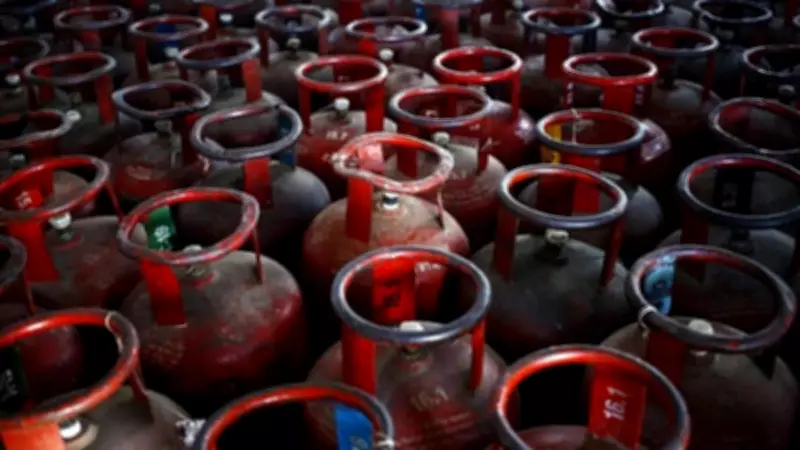
A deepening LPG supply crisis in the national capital has sparked a significant exodus of migrant workers, who are now returning en masse to their native places across several Indian states. This sudden movement is primarily driven by the inability to access cooking gas, a basic necessity for daily life, leading to widespread hardship among the labor community.
Railway Stations Overwhelmed by Influx of Returning Workers
Three major railway stations in Delhi—New Delhi, Anand Vihar, and Nizamuddin—are currently experiencing an unprecedented surge in passenger traffic as they become the primary departure points for this mass migration. These hubs are receiving the maximum number of migrant workers hailing from states such as Bihar, Uttar Pradesh, West Bengal, and Madhya Pradesh, with long queues and crowded platforms becoming a common sight.
The crisis has highlighted the vulnerabilities faced by migrant populations, who often rely on affordable and accessible LPG for cooking in urban areas. With supplies dwindling, many workers have found it economically unfeasible to stay in Delhi, opting instead to return to their hometowns where family support and alternative resources might be available.

Impact on Daily Life and Economic Activities
The shortage of LPG cylinders has not only disrupted household routines but also threatened the livelihoods of those dependent on daily wage jobs in the city. As workers leave, sectors like construction, manufacturing, and services could face labor shortages, potentially slowing down economic activities in the region.
Authorities are monitoring the situation closely, but the immediate relief measures have been insufficient to stem the tide of departures. The exodus underscores the urgent need for stable energy policies and better crisis management to support migrant communities during such emergencies.
This development comes amid broader concerns about resource distribution and urban planning in India, as cities like Delhi grapple with infrastructure strains. The return of migrant workers to their native states may also have ripple effects on rural economies, as increased population pressure could challenge local resources and services.