The High-Powered Committee for Ladakh will finally reconvene next month. This important panel, formed to address the concerns of Ladakhi people, will meet on February 4 in New Delhi. The meeting marks a significant development after months of stalled negotiations.
Committee to Resume Work After Long Pause
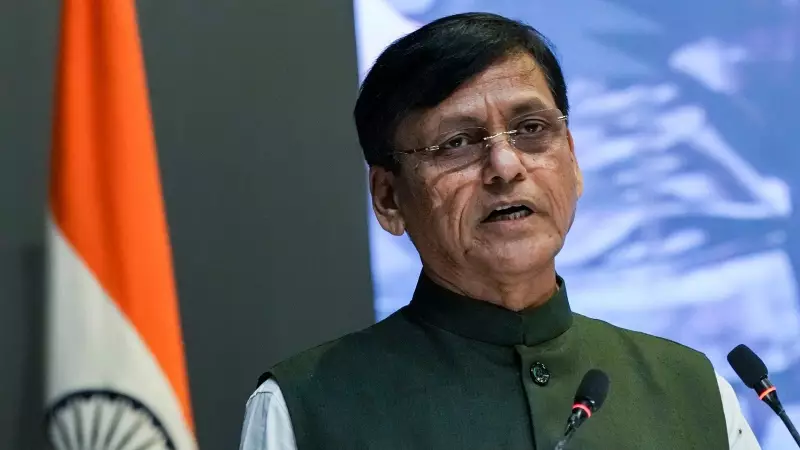
The Union Ministry of Home Affairs officially announced the meeting schedule on Friday. Minister of State for Home Affairs Nityanand Rai will chair the session at Kartavya Bhawan. The gathering is scheduled for 4 pm on February 4.
This meeting represents a breakthrough in the dialogue process. Talks had remained completely suspended since last year. The committee previously faced multiple disruptions and delays.

Background of the Committee's Formation
The government established the High-Powered Committee in 2023. Its primary purpose involves discussing protective measures for Ladakh's unique cultural identity and language. The committee also considers the region's geographical location and strategic importance.
Since its creation, the committee has achieved several important outcomes. These include securing a 15-year prospective domicile clause for Ladakh residents. This provision requires citizens to demonstrate continuous residence from 2019 with a 15-year prospective period.
The committee also successfully negotiated a 95% quota for locals in government recruitment. This achievement came in December last year and represents a major victory for Ladakhi representation.
Previous Meeting Cancellation and Current Developments
The committee had originally scheduled a meeting for October 6 last year. However, that gathering never took place. The cancellation followed tragic events in September when police firing during protests resulted in four local fatalities.
After this incident, various constituent groups representing Ladakh refused to engage with central authorities. They demanded specific conditions before returning to negotiations. Their requirements included a proper judicial inquiry into the firing incident.
The Ministry of Home Affairs extended a fresh invitation on January 8. Officials asked committee members to suggest convenient dates for resuming talks in New Delhi. This overture received positive responses from Ladakhi representatives.
Regional Groups Welcome Dialogue Resumption
Socio-religious bodies from both Ladakh regions welcomed the government's invitation. Organizations representing Kargil and Leh districts agreed to rejoin the conversation. Their participation is crucial for meaningful progress.
Despite this positive development, significant challenges remain unresolved. The committee discussions previously stalled in March over fundamental disagreements. Ladakhi representatives continue pushing for protections under the Constitution's Sixth Schedule.
The central government has maintained a firm position on this issue. Union Home Minister Amit Shah clearly stated that accommodating Sixth Schedule demands "would not be possible." This remains a major sticking point in negotiations.
Ongoing Demands and Political Context
Ladakh's political representatives have presented multiple demands beyond Sixth Schedule protections. They have requested establishment of a legislature for the Union Territory. Currently, Ladakh functions without its own legislative body, unlike neighboring Jammu and Kashmir.
The central government has reportedly declined this legislature request as well. This creates additional complications in the ongoing dialogue process.
Representative bodies leading the movement for Ladakh's protections recently met with Home Minister Amit Shah in New Delhi. While these discussions occurred, fundamental disagreements persist between the two sides.
The upcoming February meeting represents a crucial opportunity for both parties. They can address outstanding issues and work toward mutually acceptable solutions. The resumption of dialogue after months of suspension offers hope for progress.
All stakeholders will watch the February 4 meeting closely. Its outcomes could significantly influence Ladakh's political future and relationship with the central government.