Kharge Slams Government's 'Hurry' to Amend Women's Quota Law, Urges Post-Poll All-Party Meeting
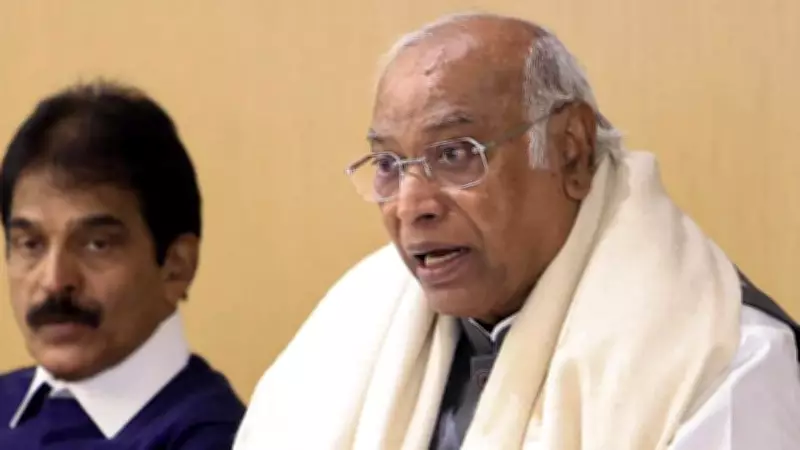
Congress President Mallikarjun Kharge has strongly criticized the government's perceived haste in amending the Nari Vandan Adhiniyam, 2023, commonly known as the women's reservation law. In a recent development, Kharge emphasized the need for an all-party meeting after the upcoming elections to discuss the implementation of this crucial legislation.
Background of the Controversy
The controversy arose following a letter from a Union minister to Kharge, seeking a meeting with the Congress party to discuss plans for amending the women's quota law. In response, Kharge penned a detailed letter questioning the government's urgency. He argued that such significant legislative changes should involve broader consultations to ensure fairness and effectiveness.
Kharge's letter highlights several key points:

- The government's apparent rush to amend the law without adequate deliberation.
- The importance of involving all political parties to build consensus on women's representation.
- The need to address potential implementation challenges before moving forward.
Implications for Indian Politics
This issue has sparked a heated debate in Indian political circles, with many viewing it as a test of the government's commitment to inclusive governance. The Nari Vandan Adhiniyam, 2023, aims to enhance women's participation in politics by reserving seats in legislative bodies. However, its amendment process has become a focal point for opposition criticism.
Kharge's call for a post-poll all-party meeting underscores the broader demand for transparent and collaborative policymaking. Experts suggest that this move could delay the amendment process but might lead to a more robust and widely accepted law.
Looking Ahead
As the political landscape evolves, the government's response to Kharge's demands will be closely watched. Stakeholders are urging for:
- Immediate steps to schedule the proposed all-party meeting after elections.
- Detailed discussions on the amendment's provisions to avoid loopholes.
- Ensuring that the law's implementation aligns with its original goals of empowering women in politics.
This development adds to the ongoing discourse on women's rights and political representation in India, highlighting the complexities of legislative reforms in a democratic setup.