Delhi Liquor Policy Case: Kejriwal to Personally Argue for Justice Sharma's Recusal
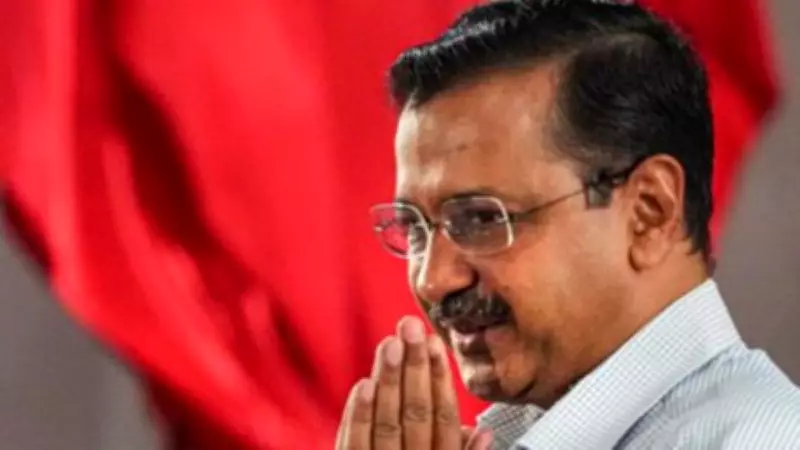
In a significant legal development, Delhi Chief Minister Arvind Kejriwal is set to argue his own case seeking the recusal of Justice Sharma in the ongoing Delhi liquor policy case. This move follows a similar action by West Bengal Chief Minister Mamata Banerjee, who recently argued her own case in a related matter, highlighting a trend of political leaders taking direct charge of their legal defenses.
Background of the Case and Court's Previous Ruling
The case revolves around allegations related to the Delhi government's liquor policy, which has been under scrutiny by investigative agencies. In February of this year, a special court made a pivotal ruling by discharging Kejriwal and others involved in the case. The court strongly criticized the Central Bureau of Investigation (CBI), stating that its case was wholly unable to survive judicial scrutiny and stood discredited in its entirety. This ruling has set the stage for the current legal maneuvers.
Kejriwal's Decision to Argue His Own Case
Kejriwal's decision to personally argue for Justice Sharma's recusal marks a bold step in his legal strategy. By taking this approach, he aims to directly address concerns about potential biases or conflicts of interest in the judicial process. This move is seen as an effort to ensure a fair trial, especially in light of the previous court's harsh assessment of the CBI's evidence.

- Kejriwal follows Mamata Banerjee's precedent in arguing his own case.
- The special court's February ruling discharged Kejriwal and criticized the CBI.
- Justice Sharma's recusal is sought to address judicial impartiality concerns.
Implications for the Legal and Political Landscape
This development has broader implications for both the legal system and political dynamics in India. It underscores the increasing involvement of political figures in their legal battles, potentially influencing public perception and judicial outcomes. The case continues to attract national attention, with stakeholders closely monitoring how the courts handle issues of recusal and evidence scrutiny.
- The special court's dismissal of the CBI's case has weakened the prosecution's stance.
- Kejriwal's personal argument may impact the pace and tone of the proceedings.
- This case highlights ongoing tensions between state governments and central agencies.
As the legal proceedings unfold, the focus remains on whether Justice Sharma will recuse himself and how this might affect the trajectory of the Delhi liquor policy case. With Kejriwal taking a hands-on approach, the outcome could set important precedents for future high-profile cases involving political leaders.