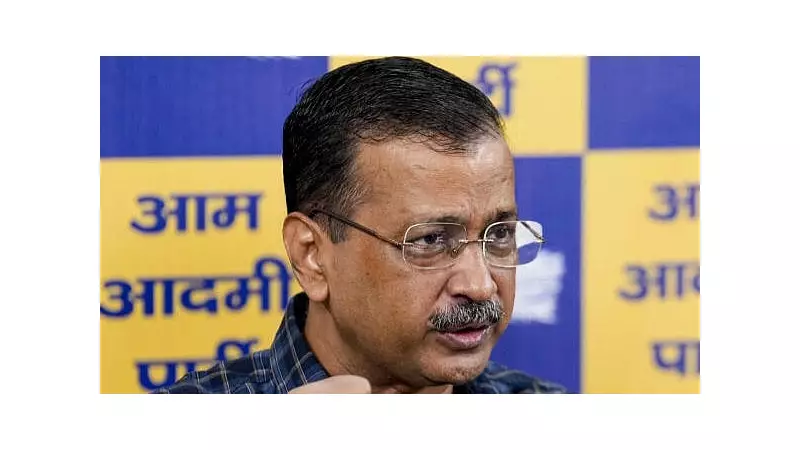
Delhi Chief Minister Arvind Kejriwal launched a sharp attack on the Bharatiya Janata Party today. He cited a recent Right to Information response to highlight extravagant spending during a Prime Ministerial event in Gujarat.
RTI Reveals Massive Expenditure Details
The controversy centers around a public gathering addressed by Prime Minister Narendra Modi in Narmada district. According to Kejriwal, an RTI application filed by AAP MLA Chaitar Vasava uncovered startling financial details.
The documents reportedly show the district administration allocated Rs 50 crore for organizing the Prime Minister's visit. This substantial sum has raised immediate questions about appropriate use of public resources.

Samosa Expense Draws Particular Scrutiny
Within the broader expenditure, one item has captured national attention. Kejriwal specifically pointed to Rs 2 crore spent on samosas alone for the event.
"This reveals the BJP's priorities," Kejriwal stated during his criticism. "While common people struggle with inflation, they're spending crores on snacks for a single political gathering."
The AAP leader emphasized what he called a stark contrast between this spending and everyday economic challenges facing Gujarati citizens.
Political Reactions and Broader Implications
The RTI revelation has quickly become a political flashpoint. Opposition parties are likely to use this information to question the BJP's fiscal responsibility.
Several key questions are now emerging:
- How were these funds specifically allocated across different event components?
- What procurement processes governed the food and beverage expenditures?
- Could these resources have been directed toward more pressing public needs?
The timing is particularly sensitive as political parties prepare for upcoming electoral contests. Spending transparency has become a central theme in political discourse nationwide.
Historical Context of Political Event Spending
This is not the first time political event expenditures have drawn scrutiny. Similar controversies have surfaced periodically across different states and administrations.
However, the specific mention of samosa costs has made this case particularly memorable. It touches on both fiscal responsibility and symbolic perceptions of political culture.
Public reaction on social media platforms shows divided opinions. Some users defend the spending as necessary for hosting dignitaries, while others echo Kejriwal's criticism of excess.
What Happens Next?
The Narmada district administration has not yet issued an official response to the RTI findings. Government officials typically have thirty days to respond to such queries under transparency laws.
Political observers expect several developments in coming days:
- The BJP will likely issue a formal statement addressing the allegations
- Additional RTI applications may seek more detailed breakdowns of event costs
- The Election Commission might examine the spending for potential violations
- This could influence public perception ahead of future political gatherings
As the story develops, the fundamental question remains: How should public funds be allocated for political events featuring national leaders? The debate between necessary protocol and fiscal restraint continues across India's political landscape.