Arvind Kejriwal Appears in Delhi High Court, Seeks Judge's Recusal in Excise Policy Case
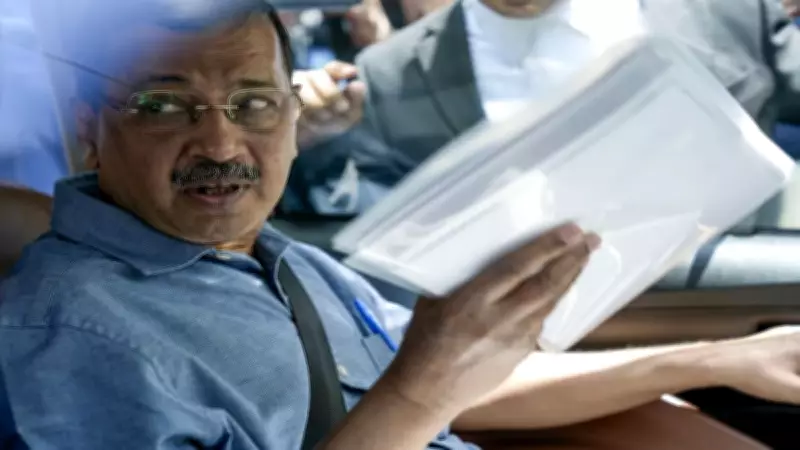
In a dramatic turn of events, Delhi Chief Minister Arvind Kejriwal personally presented his arguments before the Delhi High Court on Saturday, April 13, 2026. The case pertains to the ongoing investigation into the alleged irregularities in the Delhi excise policy, a matter that has gripped the national capital's political landscape.
Kejriwal's Personal Plea for Judicial Recusal
During the hearing, Kejriwal, who is also the national convenor of the Aam Aadmi Party (AAP), formally moved an application seeking the recusal of the presiding judge. He cited apprehensions of potential bias, arguing that the judge's previous observations and conduct in related proceedings could prejudice the case. This move underscores the high-stakes nature of the legal battle, which has seen multiple twists since the policy's implementation and subsequent investigations.
The Chief Minister, known for his legal acumen from his days as an activist, articulated his concerns directly to the bench, emphasizing the need for an impartial hearing. His appearance marks a rare instance where a sitting chief minister has argued his own case in a court of law, highlighting the personal and political significance he attaches to this matter.

Background of the Excise Policy Controversy
The Delhi excise policy, introduced by the AAP government, aimed to reform the liquor trade in the capital by increasing government revenue and curbing illegal sales. However, it has been mired in controversy, with allegations of procedural lapses and favoritism in the licensing process. Enforcement agencies have been probing these claims, leading to arrests and charges against several officials and politicians linked to the AAP.
Kejriwal's involvement in the case has been a focal point, with opposition parties accusing him of direct complicity. His decision to argue personally in the High Court is seen as a strategic move to counter these allegations and assert his innocence in a public forum. The case has broader implications for Delhi's governance and the AAP's political future, especially ahead of upcoming state and national elections.
Legal and Political Ramifications
The application for recusal adds a new layer to the legal proceedings, potentially delaying the case if the judge steps aside. Legal experts note that such motions are uncommon but not unprecedented, often filed when parties perceive a conflict of interest or bias. The court's decision on this plea will be closely watched, as it could set a precedent for similar high-profile cases involving political figures.
Politically, Kejriwal's courtroom appearance reinforces his image as a hands-on leader willing to fight his own battles. It also signals the AAP's aggressive legal strategy to defend its policies and leadership against what it terms as politically motivated investigations. The excise policy case has become a flashpoint in Delhi's politics, with debates raging over transparency, accountability, and the role of central agencies in state matters.
As the hearing continues, all eyes are on the Delhi High Court for its ruling on the recusal plea and the subsequent trajectory of the excise policy case. The outcome could have far-reaching consequences for Kejriwal's political career and the AAP's standing in Indian politics.