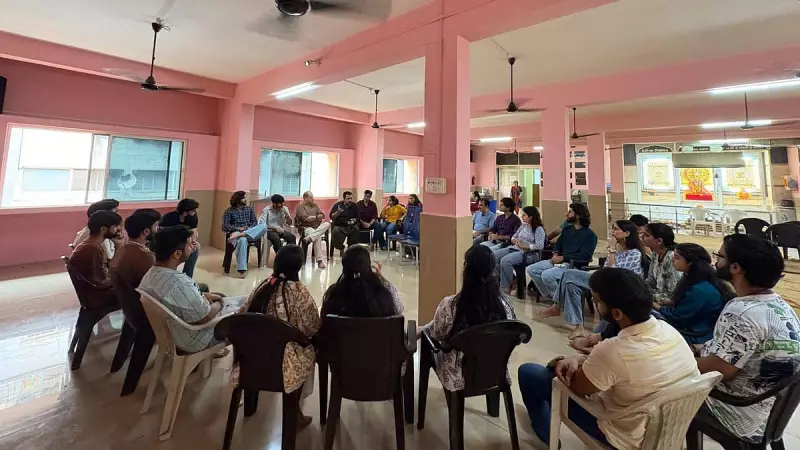
Kashmiri Pandit Group Announces Major Civil Rights Movement
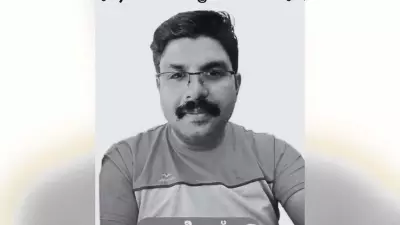
The Kashmiri youth association Y4PK has declared it will launch a significant public campaign beginning January 16 to press for their longstanding demands. The organization's president, Vithal Chowdhary, characterized the upcoming movement as a crucial moment for the community's civil rights.
A Community's Longstanding Struggle
Chowdhary described the planned campaign as "the united civilisational assertion of a community that has carried fire in its heart for three-and-a-half decades." This powerful statement underscores the 35-year struggle that has defined the Kashmiri Pandit experience, referencing the profound challenges the community has faced since the late 1980s.
The announcement, made on November 19, 2025, signals a renewed push for addressing the community's grievances through organized public action. While specific details about the campaign's activities remain undisclosed, the timing suggests a coordinated effort to bring national attention to their cause in the new year.
What to Expect from the January Campaign
The movement represents one of the most significant organized efforts by Kashmiri Pandit youth in recent years. The choice of January for launching the campaign may hold symbolic importance, potentially aligning with historical events significant to the community.
Community leaders have indicated that the campaign will focus on multiple fronts, including:
- Advocacy for political rights and representation
- Preservation of cultural heritage
- Justice for historical grievances
- Economic rehabilitation programs
The use of the term "civilisational assertion" by Chowdhary highlights the broader cultural and historical dimensions of their struggle, moving beyond immediate political demands to encompass the community's identity and legacy in the Kashmir region.
Broader Implications and Community Response
This announcement comes at a time when discussions about Kashmiri Pandit rehabilitation and rights have gained increased visibility in national discourse. The extended duration suggested by the campaign timeline indicates a sustained effort rather than a single protest event.
Community members have expressed both hope and determination regarding the upcoming movement, seeing it as a potential turning point in their decades-long quest for justice and recognition. The involvement of youth leadership through Y4PK signals a generational shift in how the community approaches its advocacy efforts.
As January approaches, all eyes will be on how this massive campaign unfolds and what impact it might have on the ongoing dialogue about Kashmiri Pandit rights and rehabilitation in contemporary India.