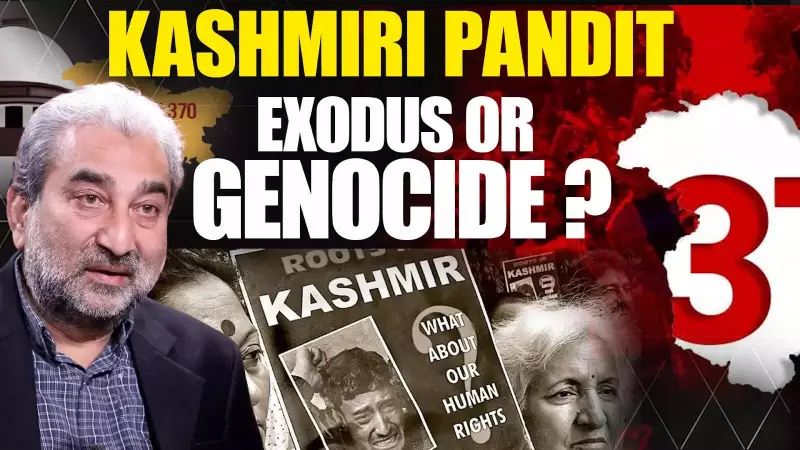
Kashmiri Pandits: Exodus Or Genocide? Sushil Pandit Explains The Untold Truth
The displacement of Kashmiri Pandits remains one of India's most painful and unresolved historical chapters. This tragic event raises a fundamental question that continues to haunt the nation. Was it simply an exodus driven by fear, or does it qualify as a genocide that the system largely ignored?
The Role of Successive Governments
Successive governments played crucial roles in shaping these events and their aftermath. Their actions, or lack thereof, significantly impacted the Kashmiri Pandit community. Many people question what protection, justice, and accountability were denied to the victims during those difficult times.
Meaningful resolution remains elusive even decades later. The community continues to seek answers and closure for the trauma they endured. This situation highlights serious governance questions that demand attention from policymakers and citizens alike.

Article 370's Impact on Events
Article 370 of the Indian Constitution played a substantial role in these developments. Its special provisions for Jammu and Kashmir created a unique political environment. This constitutional arrangement influenced how events unfolded in the region during that period.
The article's presence shaped administrative responses to the growing crisis. It affected security measures and governance structures in Kashmir. Many analysts believe Article 370 contributed to the complex dynamics that led to the Pandits' displacement.
Seeking Historical Truth and Policy Clarity
Through careful examination of facts, authentic voices, and thorough analysis, this conversation seeks historical truth. It aims to provide much-needed policy clarity regarding this sensitive issue. The discussion represents an essential dialogue about memory, governance, and justice.
Victims' voices deserve to be heard and acknowledged properly. Their experiences form a crucial part of India's collective history. Remembering their suffering helps prevent similar tragedies in the future.
Unanswered Questions and Ongoing Debates
Several unanswered questions continue to fuel national debates about the Kashmiri Pandit issue. People wonder why justice has been so delayed for the affected families. They question why accountability remains elusive for those responsible.
The conversation extends beyond mere historical analysis. It touches upon contemporary issues of human rights and social justice. This dialogue contributes to broader public discourse about India's democratic values.
Memory and justice remain deeply interconnected in this context. Preserving accurate historical records ensures future generations understand what transpired. Social dialogue about these events promotes healing and reconciliation.
This examination serves as a reminder of governance responsibilities toward all citizens. It highlights the importance of protecting vulnerable communities during times of conflict. The discussion ultimately seeks truth and justice for those who suffered immensely.