Karnataka's Pioneering Hate Speech Legislation: A Potential National Blueprint
In a significant development for India's legal and political landscape, Karnataka has introduced the country's first state-level legislation specifically designed to tackle hate speech. This landmark bill represents a crucial step forward in addressing a pervasive issue that has long plagued Indian society, and it deserves widespread recognition and support.
The Significance of Karnataka's Hate Speech Bill
The Karnataka hate speech bill emerges as a timely and necessary intervention in a nation where inflammatory rhetoric has often fueled social tensions and violence. By establishing clear legal frameworks and consequences for hate speech, this legislation aims to create a more harmonious and respectful public discourse. The bill's comprehensive approach includes provisions for identifying, reporting, and penalizing hate speech, setting a precedent that other states might follow.
What makes this bill particularly noteworthy is its potential to serve as a model for national legislation. As the first of its kind at the state level, it provides a tested framework that could be adapted and implemented across India. This could lead to more consistent and effective enforcement of hate speech laws nationwide, addressing a critical gap in the country's legal system.
Political Implications and the Broader Context
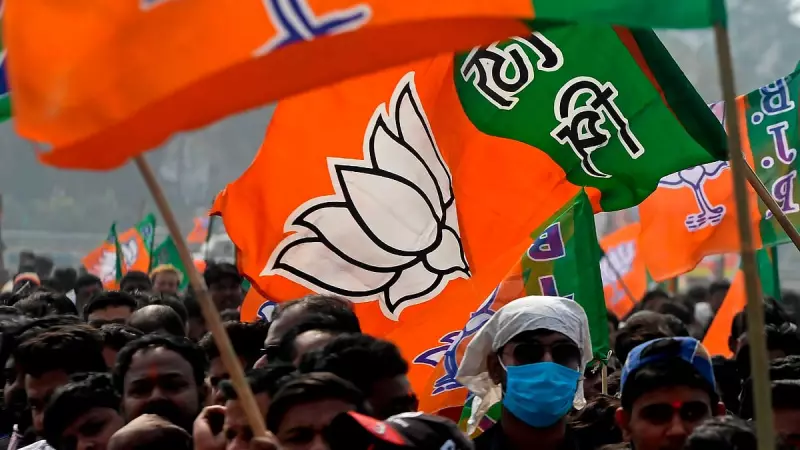
The introduction of this bill occurs within a complex political environment, where the Bharatiya Janata Party (BJP) and other political entities navigate the delicate balance between free speech and social harmony. While the BJP has faced criticism regarding hate speech incidents involving some of its members, this legislation offers an opportunity for all political parties to demonstrate their commitment to curbing divisive rhetoric.
The bill's potential national adoption raises important questions about India's democratic fabric and the role of legislation in preserving social cohesion. It challenges political leaders across the spectrum to prioritize national unity over partisan gains, potentially reshaping political discourse in profound ways.
Why This Legislation Matters for India's Future
Karnataka's hate speech bill represents more than just legal reform; it symbolizes a broader societal shift towards accountability and respect in public communication. Its successful implementation could:
- Establish clear legal standards for identifying and addressing hate speech
- Create deterrents against inflammatory rhetoric that threatens social harmony
- Provide victims of hate speech with stronger legal recourse and protection
- Set a precedent for other states to develop similar legislation
- Potentially inspire comprehensive national hate speech laws
As India continues to grapple with the challenges of maintaining social unity in a diverse democracy, Karnataka's initiative offers a promising path forward. The bill's emphasis on both prevention and punishment reflects a balanced approach that respects freedom of expression while protecting vulnerable communities from targeted hatred.
The coming months will be crucial in determining whether this legislation achieves its intended goals and whether it indeed becomes the national model many hope it will be. Its success or failure will likely influence similar efforts across India and potentially reshape how the country addresses one of its most persistent social challenges.