Karnataka Governor's Dramatic Walkout Sparks Political Confrontation
The first day of the Karnataka legislature's joint session descended into chaos as Governor Thaawarchand Gehlot delivered a mere two lines of his customary address before abruptly walking out. This unprecedented move occurred on January 22, 2026, in Bengaluru, setting the stage for a heated political showdown between the state government and opposition forces.
Union Minister Levels Serious Allegations
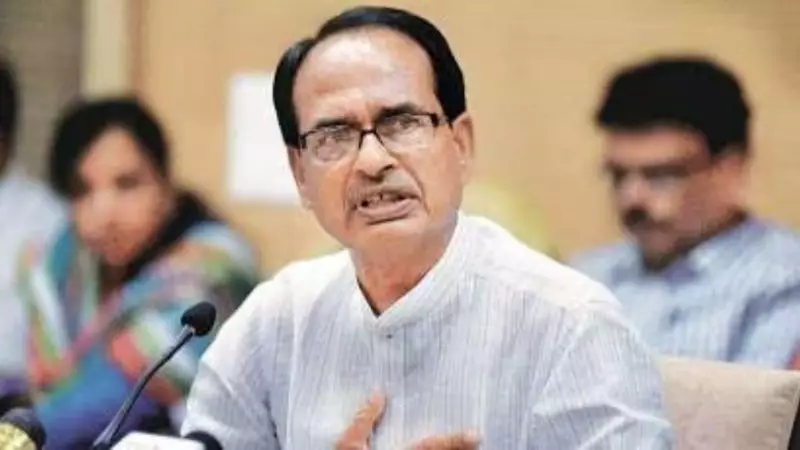
Union Minister for Rural Development, Agriculture and Farmers Welfare Shivraj Singh Chouhan launched a scathing attack on the Congress-led Karnataka Government during a news conference in Bengaluru. "The governor's address had such lies that it could not be read," Chouhan declared emphatically. He specifically targeted content related to the Mahatma Gandhi National Rural Employment Guarantee Act, asserting that whatever the state government wanted the governor to say about MGNREGA constituted deliberate falsehoods.
Chouhan didn't mince words when characterizing the political opposition, stating bluntly that "Congress is a machine of lies." He further accused the state administration of attempting to shift blame to the Union Government as a strategy to conceal what he described as their governance failures within Karnataka.

Background of the Controversial Session
The dramatic events unfolded against the backdrop of a special discussion scheduled by the state Government regarding the repeal of MGNREGA, which the administration seeks to restore. Chouhan was in Bengaluru conducting a workshop for BJP legislators, district presidents, and other leaders focused on the Viksit Bharat–Guarantee for Rozgar and Ajeevika Mission Gramin scheme, commonly referred to as VB-G RAM G.
Defending this new initiative vigorously, Chouhan presented comparative data showing that fund allocations under VB-G RAM G exceed those previously available under MGNREGA. He emphasized that the revised framework would implement stronger anti-corruption measures while maintaining robust employment guarantees for rural workers.
Addressing Financial Concerns and Internal Politics
Responding to concerns about altered funding ratios—specifically the shift from a 90:10 central-state ratio under MGNREGA to a 60:40 arrangement under VB-G RAM G—Chouhan clarified that this 60:40 distribution represents the standard allocation model across all central government schemes. He suggested that criticism of this aspect reflected either misunderstanding or deliberate misrepresentation.
The Union Minister didn't hesitate to comment on Karnataka's internal political dynamics, alleging that Chief Minister Siddaramaiah is unable to properly comprehend the legislation due to ongoing tensions with Deputy Chief Minister D K Shivakumar. This remark added another layer to the already complex political narrative surrounding the employment guarantee debate.
Implications and Next Steps
The governor's extraordinary decision to read only two lines before departing represents more than procedural disruption—it symbolizes deep-seated disagreements between constitutional offices regarding the content and credibility of official communications. This incident has amplified existing tensions between state and central administrations while bringing employment policy debates into sharp public focus.
With both Houses of the Karnataka legislature scheduled to discuss the MGNREGA repeal subject in detail next week, political observers anticipate continued confrontation. The walkout has transformed what might have been routine parliamentary procedure into a significant political flashpoint with implications for both state governance and center-state relations.
As Karnataka's political landscape continues to evolve, this incident underscores how employment guarantee schemes have become central battlegrounds in larger ideological and administrative conflicts between different levels of government and competing political visions for rural development.