Karnataka Deputy Chief Minister D.K. Shivakumar Condemns US-Israel Attack on Iran
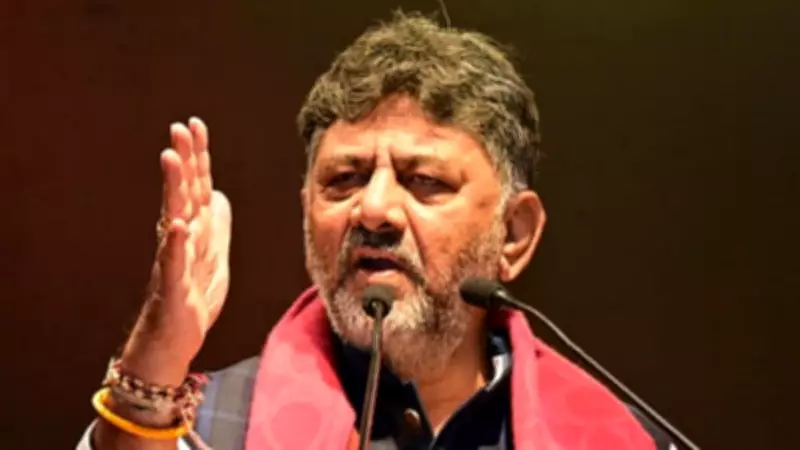
In a significant political statement, Karnataka Deputy Chief Minister D.K. Shivakumar has issued a strong condemnation of the recent military attack by the United States and Israel on Iran. The senior Congress leader expressed deep concern over the escalating tensions in the Middle East region and called for immediate de-escalation measures to prevent further conflict.
Shivakumar's Firm Stance Against Military Aggression
D.K. Shivakumar, who also serves as the state Congress president, emphasized that military actions only lead to greater instability and human suffering. He highlighted the need for diplomatic solutions and peaceful negotiations to resolve international disputes. The Deputy Chief Minister's remarks come amid growing global anxiety about potential regional escalation following the attack.
Call for Diplomatic Resolution
Shivakumar urged all involved parties to exercise restraint and prioritize dialogue over confrontation. He stressed that India, as a nation committed to peace and non-violence, should advocate for peaceful conflict resolution on international platforms. The Karnataka leader's statement reflects broader concerns within Indian political circles about the implications of Middle East conflicts on global stability.

Political Implications and Response
The condemnation from one of Karnataka's most prominent political figures adds to the growing chorus of international voices calling for moderation. Shivakumar's position aligns with India's traditional foreign policy approach of advocating for peaceful coexistence and respect for national sovereignty. His statement has sparked discussions about India's role in mediating international conflicts and promoting global harmony.
As tensions continue to simmer in the Middle East, political observers note that statements from influential regional leaders like Shivakumar carry significant weight in shaping public opinion and policy discussions regarding international conflicts and their potential impact on India's foreign relations and security considerations.