A massive fake degree racket based in Kanpur has been uncovered, revealing a 13-year-long operation that extended its fraudulent reach across India, the United Kingdom, Canada, and Saudi Arabia. The scam, which involved the production and sale of counterfeit academic degrees, was dismantled after a joint investigation by local police and international agencies.
How the Racket Operated
The racket functioned through a network of agents and intermediaries who lured individuals seeking quick and easy academic credentials. These individuals were often professionals looking to advance their careers or gain employment in countries where specific degrees were required. The fraudsters created forged degree certificates from reputed Indian and foreign universities, complete with fake seals and signatures.
Key Modus Operandi
- Fake Universities: The racket created websites and documentation for non-existent universities to lend credibility to the degrees.
- Bribery: Some university officials were bribed to issue genuine-looking transcripts and certificates.
- International Network: Agents in the UK, Canada, and Saudi Arabia facilitated the distribution of fake degrees to clients abroad.
Investigation and Arrests
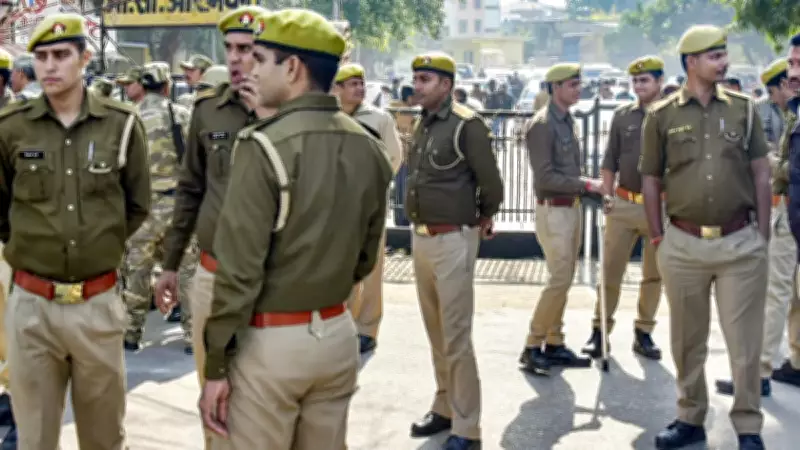
The investigation began after a tip-off from a Canadian university that suspected forged documents. Police in Kanpur raided several locations, seizing computers, printers, and thousands of fake degree certificates. At least 12 people have been arrested, including the alleged mastermind, a 45-year-old man who had been running the operation from a small office in Kanpur.

International Collaboration
Authorities from the UK, Canada, and Saudi Arabia collaborated with Indian police to track down clients who had purchased fake degrees. Many of these individuals were working in high-profile jobs, including doctors, engineers, and IT professionals. The racket is estimated to have earned crores of rupees over the years.
Impact and Aftermath
The discovery has raised serious concerns about the integrity of academic credentials used for employment and immigration. Victims who unknowingly purchased fake degrees may face legal consequences, including deportation from countries like Canada and the UK. The Indian government has vowed to tighten regulations on degree verification and increase penalties for such frauds.
Preventive Measures
- Verification Systems: Universities and employers are urged to use online verification systems to check the authenticity of degrees.
- Public Awareness: Campaigns to educate the public about the risks of buying fake degrees have been launched.
The Kanpur fake degree racket serves as a stark reminder of the lengths to which fraudsters will go to exploit the demand for academic credentials. As investigations continue, authorities hope to dismantle any remaining networks and bring all perpetrators to justice.