In the serene yet rugged terrains of Jammu & Kashmir, a lingering shadow of grief persists months after the catastrophic Chisoti cloudburst. Families of those who went missing in the disaster are caught in a painful limbo, yearning not for monetary compensation but for a simple yet profound acknowledgment—official death certificates that would grant them the closure needed to perform sacred rituals for their departed loved ones.
The Unresolved Aftermath of a Natural Calamity
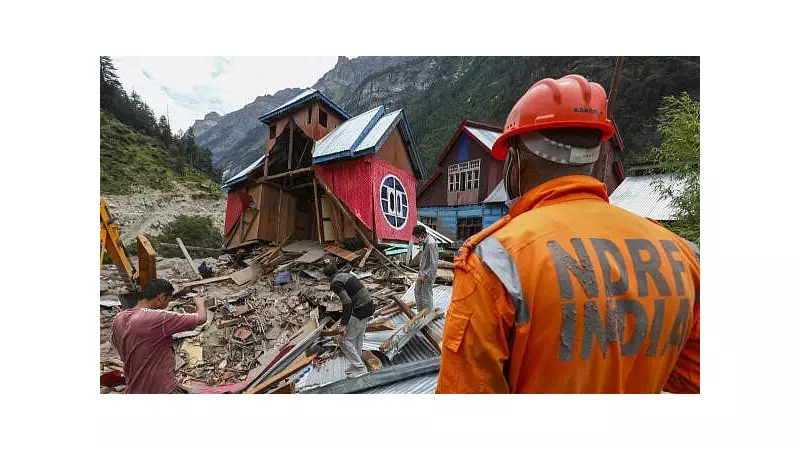
The Chisoti cloudburst, which struck with ferocious intensity, left a trail of destruction and loss in its wake. While rescue and relief efforts have subsided, the emotional turmoil for many families remains raw and unresolved. These households, scattered across affected villages, find themselves in a unique predicament: without formal recognition of their missing relatives' deaths, they are unable to proceed with traditional rites that hold deep cultural and spiritual significance in the region.
A Plea for Ritualistic Closure
According to statements from the affected families, their primary demand is not financial aid or government support packages. Instead, they emphasize the urgent need for death certificates, which would legally confirm the fate of their missing members. This documentation is crucial, as it enables them to conduct antim sanskar or last rites, a process integral to Hindu and Muslim traditions in Jammu & Kashmir for honoring the deceased and facilitating their spiritual journey.

The absence of these certificates has left families in a state of perpetual waiting, unable to find solace or move forward. Many describe this as a form of emotional purgatory, where the uncertainty compounds their grief, making it difficult to achieve any sense of peace or resolution.
Administrative Hurdles and Emotional Toll
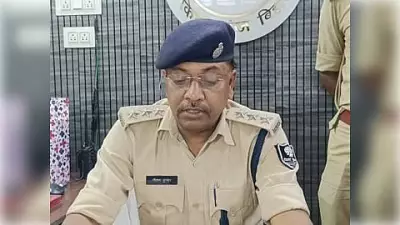
Local authorities have cited challenges in issuing death certificates for missing persons, often requiring prolonged investigations or legal procedures to declare someone deceased. This bureaucratic delay, while understandable from a procedural standpoint, exacerbates the suffering of families who are already grappling with immense loss. Community leaders and social workers have echoed the families' sentiments, calling for expedited processes that balance legal requirements with humanitarian considerations.
In interviews, family members have shared poignant stories of their wait, highlighting how the inability to perform rituals has disrupted their mourning process. For some, this has led to prolonged psychological distress, affecting their daily lives and mental well-being.
Broader Implications for Disaster Response
This situation underscores a critical aspect of disaster management often overlooked in the immediate aftermath of calamities: the need for compassionate and efficient administrative support for grieving families. Experts suggest that integrating psychosocial care with legal assistance could help address such issues more holistically in future incidents.
As Jammu & Kashmir continues to rebuild from the cloudburst, the plight of these families serves as a reminder of the human cost beyond physical damage. It calls for a more nuanced approach to disaster recovery, one that prioritizes emotional and cultural needs alongside infrastructural repairs.
The wait for closure, though marked by patience and resilience, remains a testament to the enduring strength of these communities. Their plea for death certificates is not just a legal formality but a heartfelt cry for dignity and respect in the face of unimaginable loss.