Jammu & Kashmir Assembly Descends Into Chaos Over Iran Protest and 'Pappu' Jibe
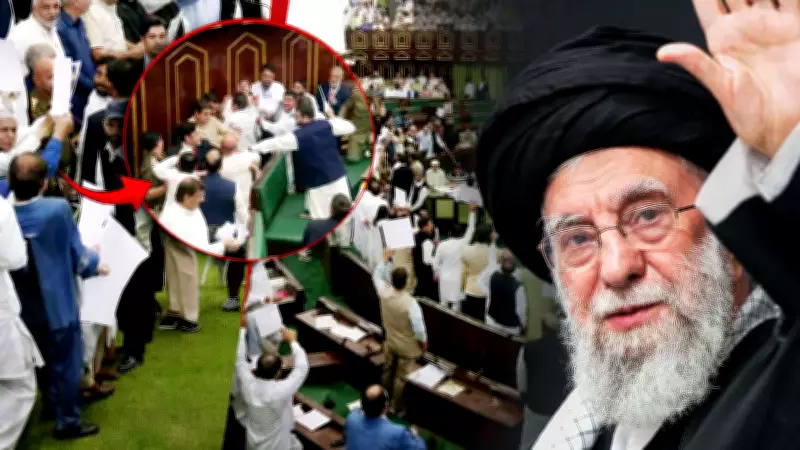
The Jammu and Kashmir Assembly was thrown into disarray on March 27, 2026, as a protest over the crisis in Iran escalated into a full-blown political confrontation. The session, which began with solemn discussions on international affairs, quickly devolved into a scene of sloganeering, physical scuffles, and heated exchanges, bringing legislative proceedings to an abrupt halt.
Iran Solidarity Sparks Initial Turmoil
National Conference MLAs took the floor to express solidarity with Iran following the reported killing of Ayatollah Ali Khamenei. They condemned the act as a blatant violation of sovereignty and international law, urging the Indian government to take a firm stance. However, what started as a debate on foreign policy rapidly lost its focus, with opposing MLAs launching counter-slogans that drowned out substantive discussion.
The situation deteriorated further when a minor scuffle broke out between legislators from different parties, forcing the Speaker to intervene repeatedly. This physical altercation highlighted the intense political tensions simmering within the assembly, turning a moment meant for diplomatic discourse into a spectacle of disorder.

BJP MLA's 'Pappu' Remark Fuels the Fire
Amid the chaos, BJP MLA Yudvir Sethi added fuel to the fire by referring to Congress leader Rahul Gandhi as "Pappu" during the proceedings. This derogatory jibe, often used in political rhetoric to mock Gandhi, sparked immediate outrage from opposition members, who accused the BJP of disrespecting parliamentary decorum and diverting attention from critical issues.
The remark intensified the already volatile atmosphere, with MLAs trading sharp barbs and accusations. Critics argued that such personal attacks undermine the dignity of the assembly and detract from pressing matters of governance, especially in a region like Jammu and Kashmir, which faces unique challenges.
Broader Implications for Indian Politics
This incident underscores a troubling trend in Indian politics, where global geopolitical developments are increasingly being weaponized for domestic political battles. The conflict in West Asia, for instance, has significant implications for India's energy supplies and global stability, yet the assembly failed to engage in a structured debate on these vital issues.
Instead, the focus shifted to political messaging and partisan clashes, revealing how serious policy discussions are often overshadowed by theatrics in moments of global crisis. Analysts note that this pattern not only hampers effective governance but also erodes public trust in legislative institutions.
Key takeaways from the assembly chaos include:
- The rapid escalation from a foreign policy protest to physical altercations among MLAs.
- The role of derogatory remarks, like the 'Pappu' jibe, in exacerbating political tensions.
- The missed opportunity for substantive debate on Iran's crisis and its impact on India.
- The broader trend of geopolitical issues being dragged into domestic political fray.
As Jammu and Kashmir continues to navigate complex political landscapes, incidents like this raise concerns about the assembly's ability to address both local and international challenges with the seriousness they deserve. The episode serves as a stark reminder of the need for decorum and focused dialogue in legislative bodies to foster meaningful progress.